


Unusual Foods People Used To Eat All the Time

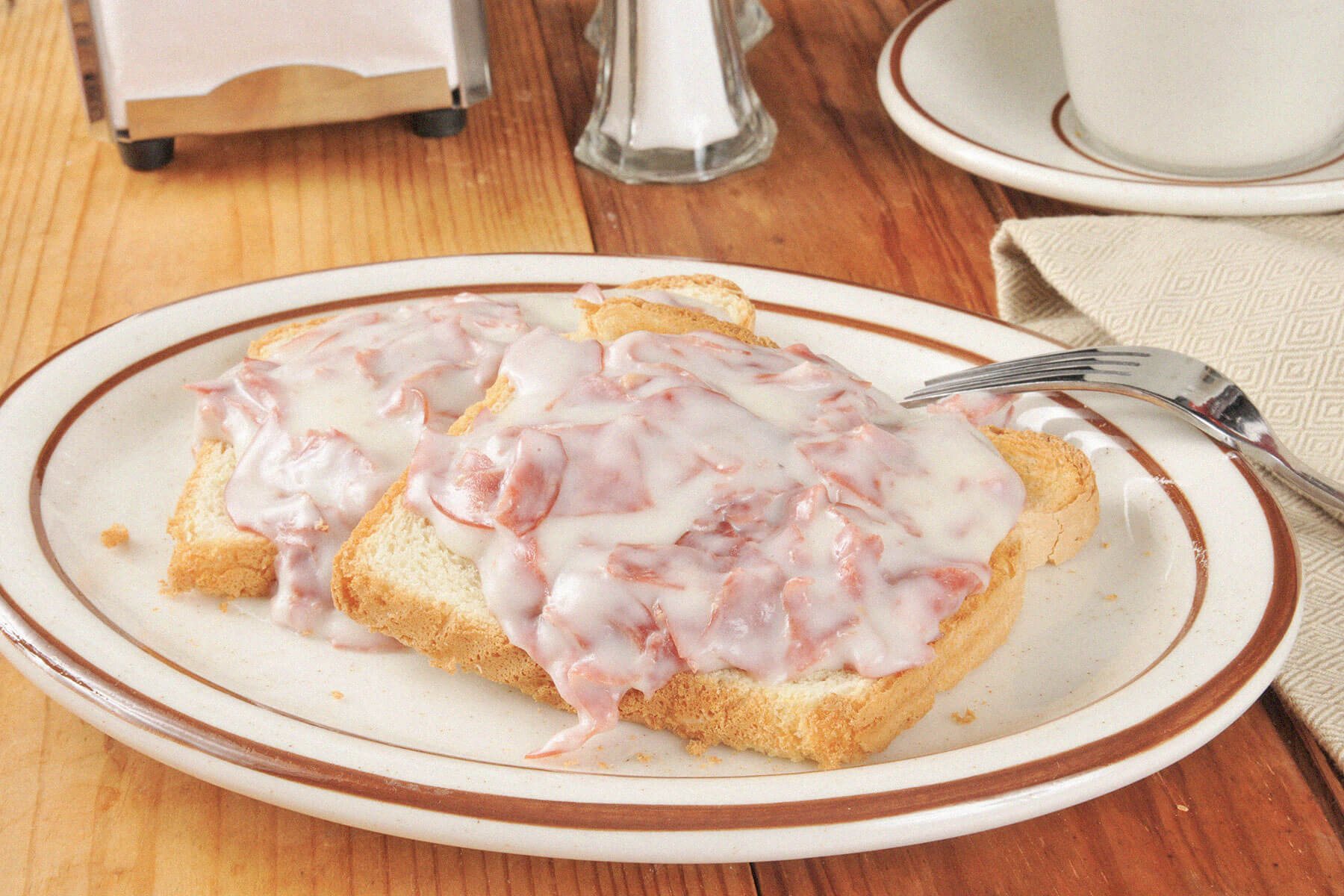
  • Cream chipped beef toast
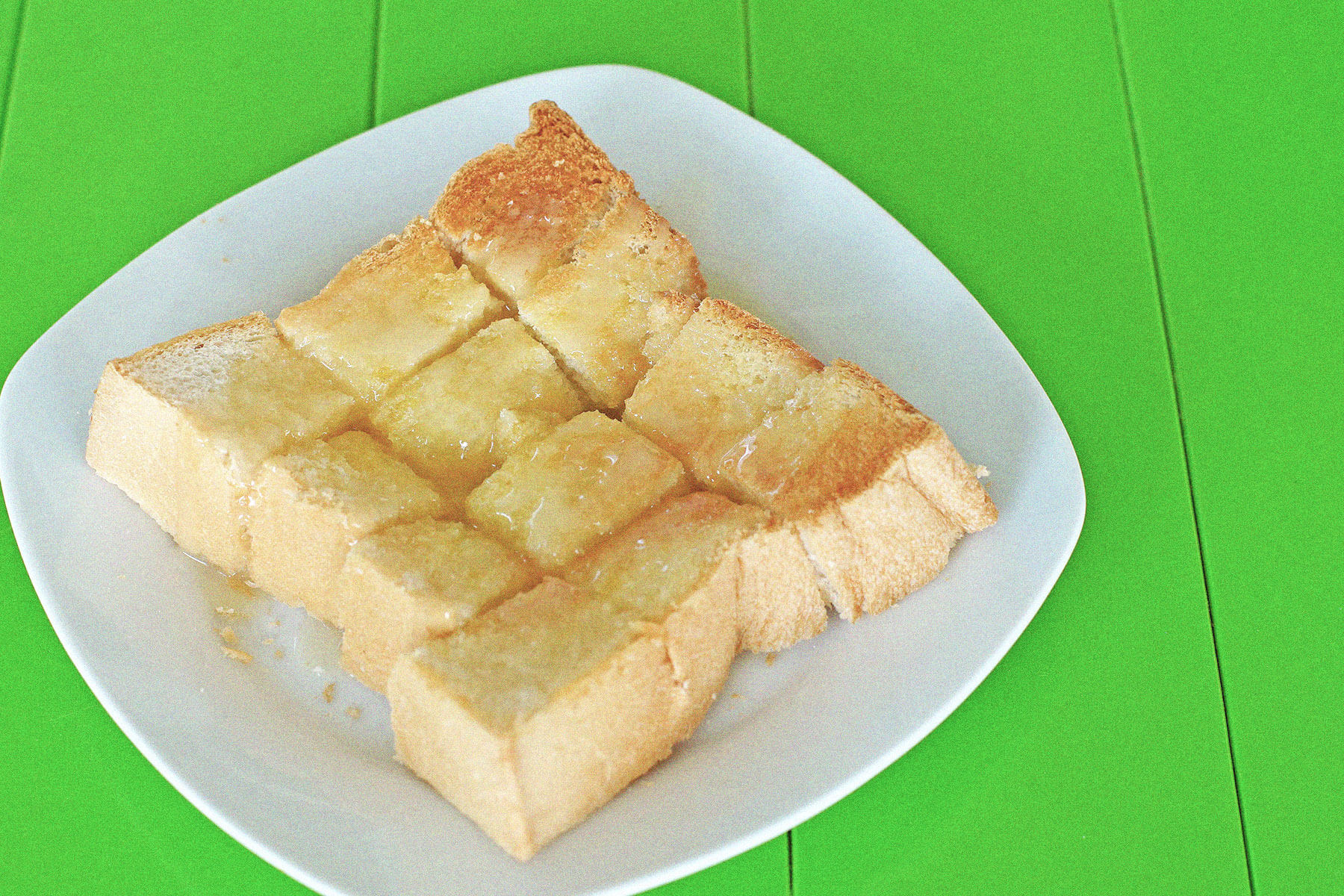
Cream chipped beef toast
MSPhotographic/ Shutterstock
Author Mark DeJoy

February 28, 2024

Love it?

In American culture, food is a lot like slang and pop music, in that it’s changed drastically over the years. Several American foods from the past come from a time of such different cultural, technological, and generational sensibilities that it can be hard to imagine encountering them today, let alone understanding their appeal. The following foods were once popular staples in the U.S. — but they might be difficult items to convince modern diners to try.
Credit: Vineyard Perspective/ Shutterstock

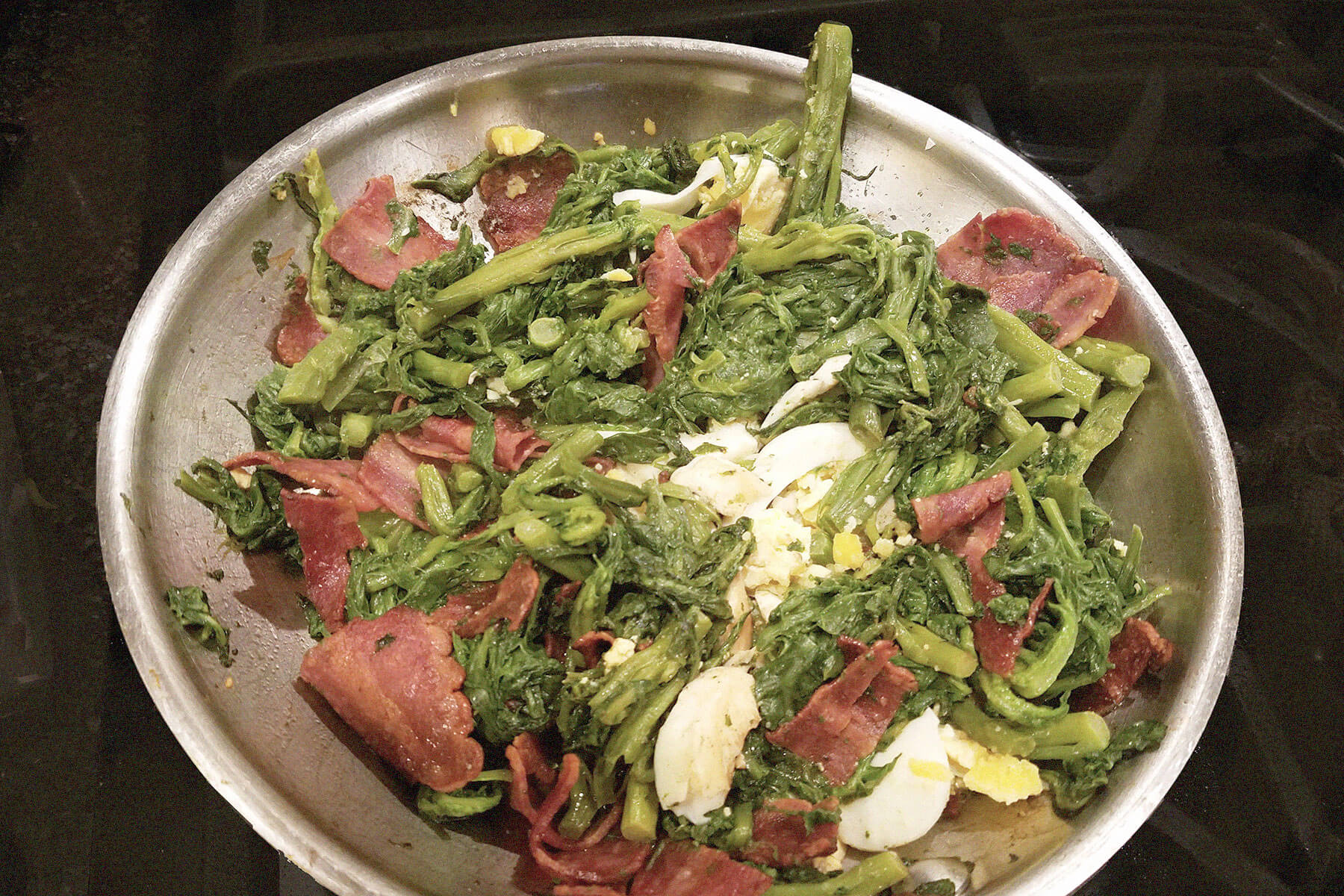
Poke Salad

Not to be confused with the differently pronounced Hawaiian dish of marinated raw fish, poke salad (sometimes spelled “salet” or “salud”) was made of pokeweed, a wild leafy green that has grown in Appalachia for centuries. It was a simple dish containing the boiled leaves and stalks of pokeweed, along with bacon grease, and its preparation was crucial: Pokeweed is poisonous, so boiling the plant at least twice (with new water each time) was necessary to render the greens safe to eat. 

Because of the abundance of wild pokeweed and its association with toxicity, poke salad was primarily eaten in impoverished communities, and it endured as a staple well into the 20th century. In 1969, Tony Joe White’s hit song “Polk Salad Annie” positioned the dish as an emblem of rural toughness and resourcefulness in the face of poverty. Nowadays, the easier-to-prepare and similarly seasoned collard greens have endured in place of poke salad, though there are some who predict that the local foraging movement may lead to a resurgence of cooking with pokeweed.

You may also like
5 Things People Used To Eat for Breakfast

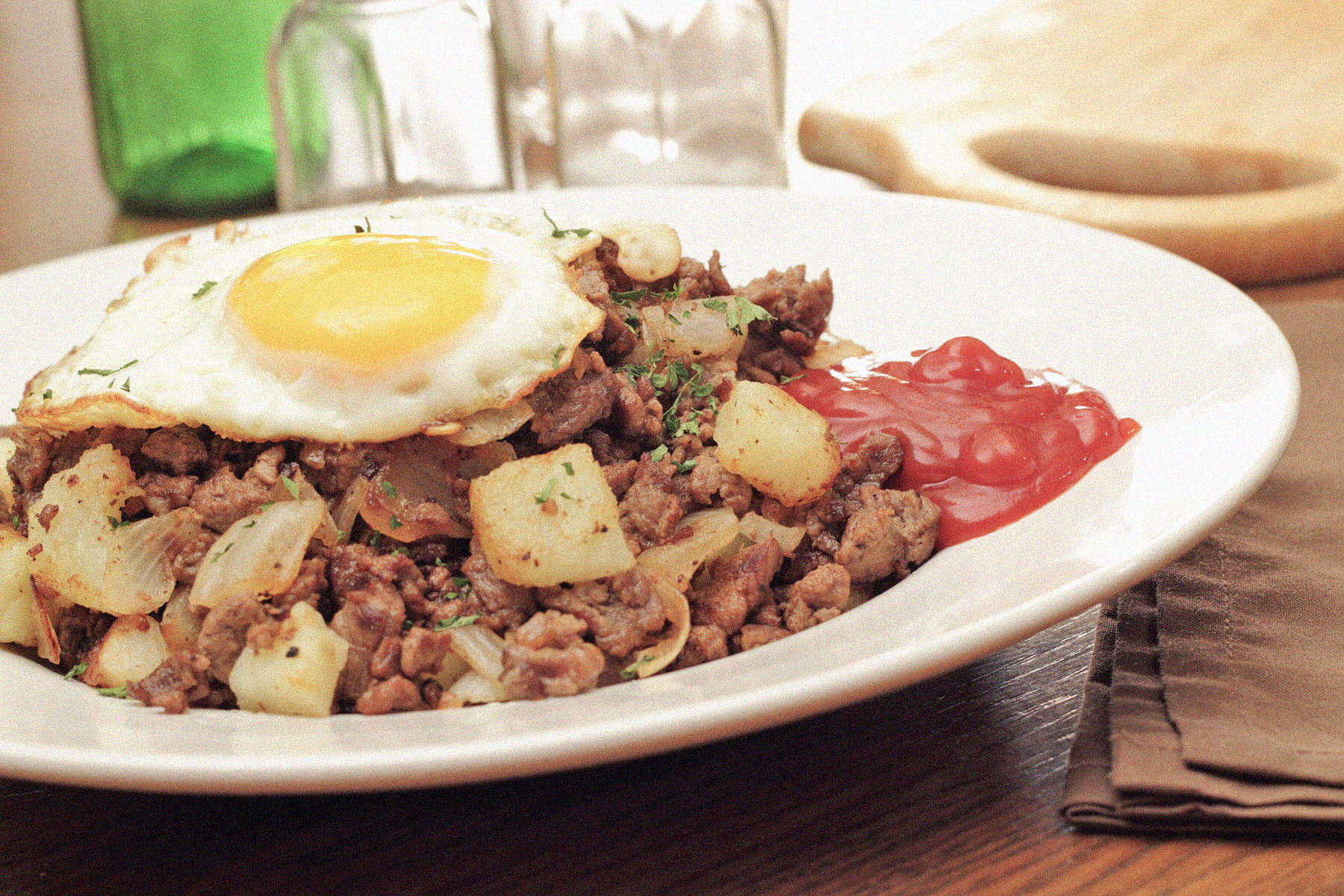
  • Iron skillet breakfast
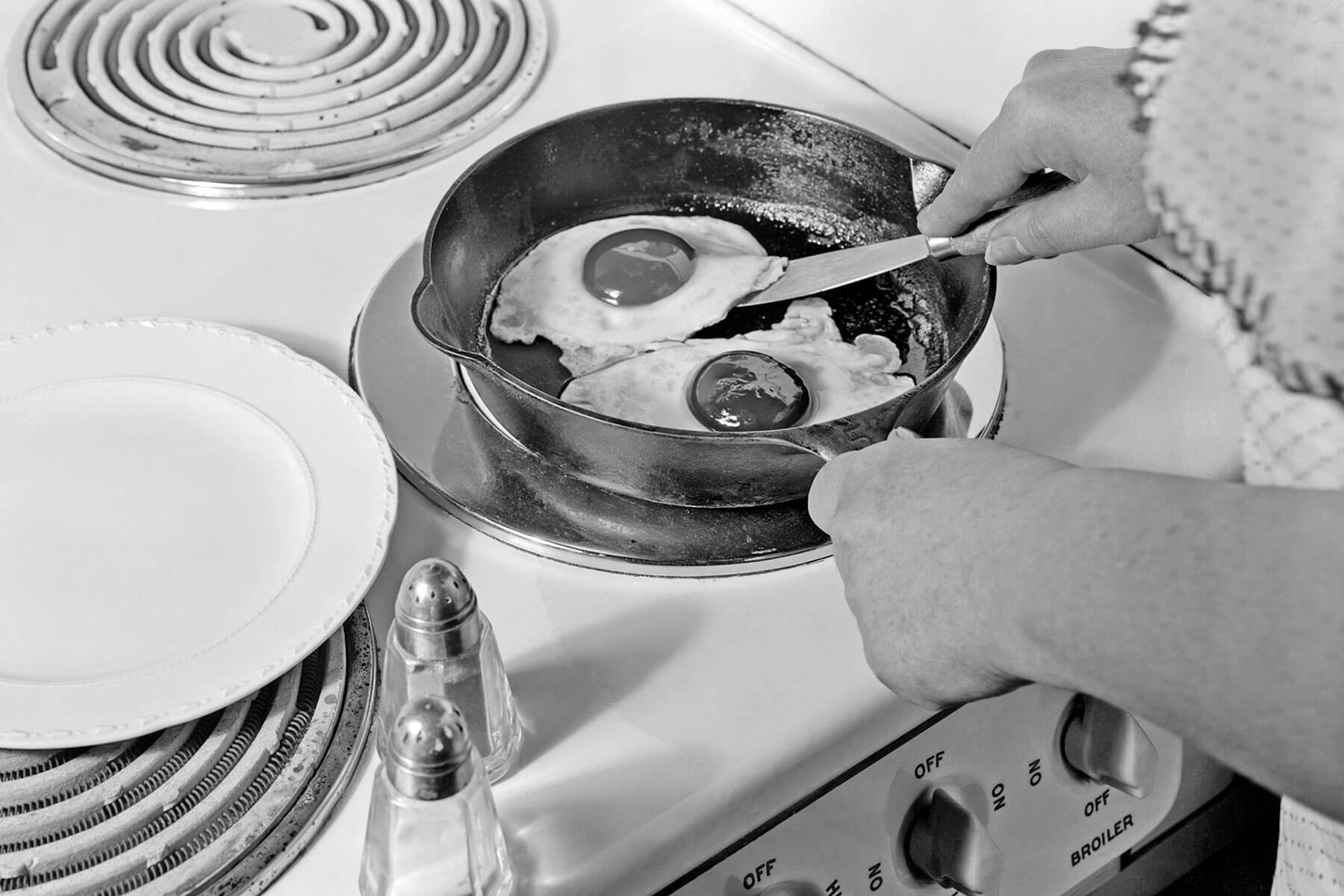
Iron skillet breakfast
H. Armstrong Roberts/ClassicStock/ Archive Photos via Getty Images
Author Kristina Wright

January 25, 2024

Love it?

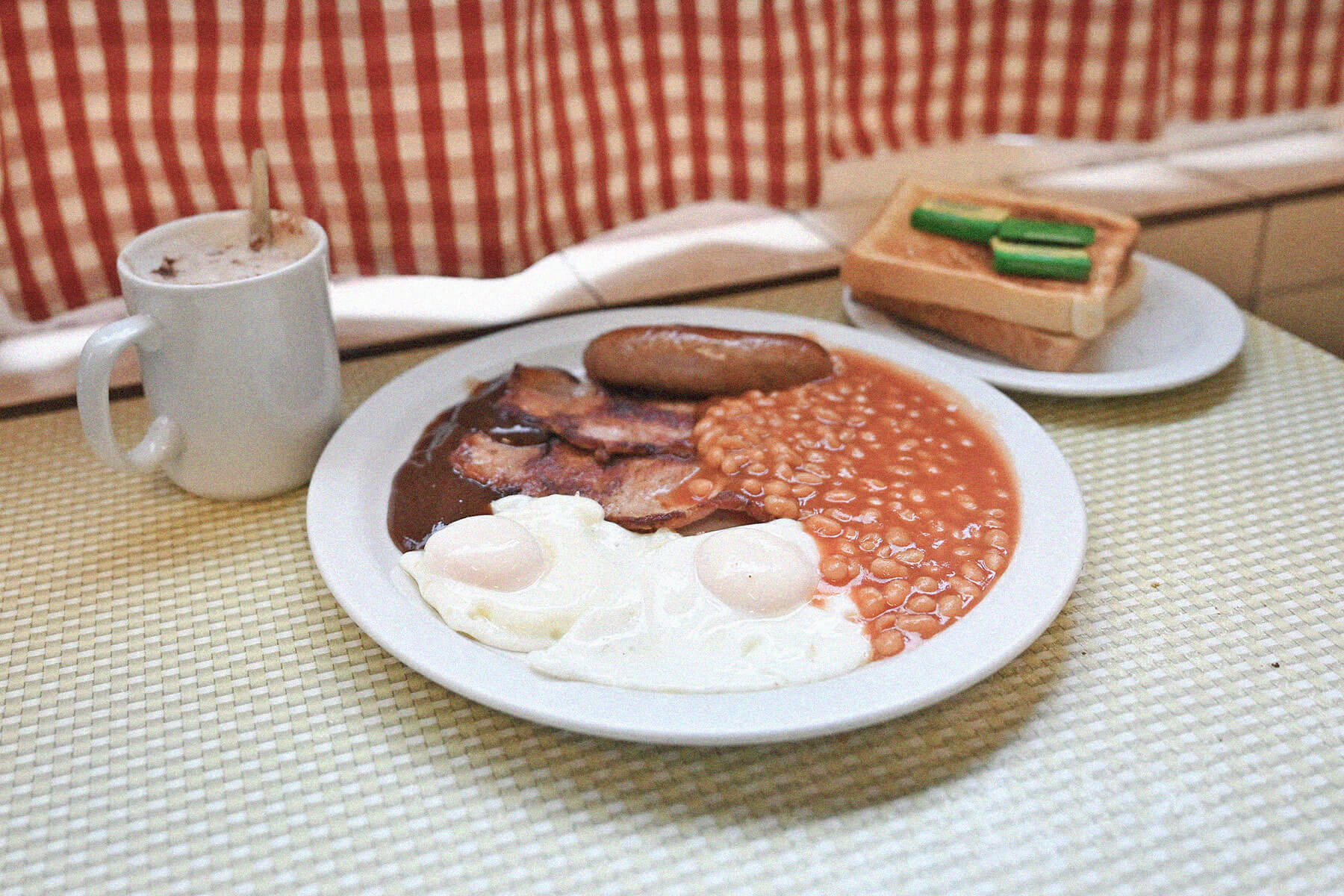
From a leisurely meal of eggs and bacon to the convenience of a granola bar or yogurt parfait, breakfast foods come in an array of options to suit every taste and lifestyle. While the word “breakfast,” meaning “to break one’s fast in the morning,” dates back to the 15th century, some of our favorite morning dishes date back thousands of years. In fact, researchers believe the earliest variations of pancakes and porridges were first eaten as far back as the Stone Age. But while some popular breakfast foods have evolved and endured, others that were once considered staples of the typical American kitchen have faded into nostalgic obscurity. Here are five foods that were once considered popular breakfast dishes.
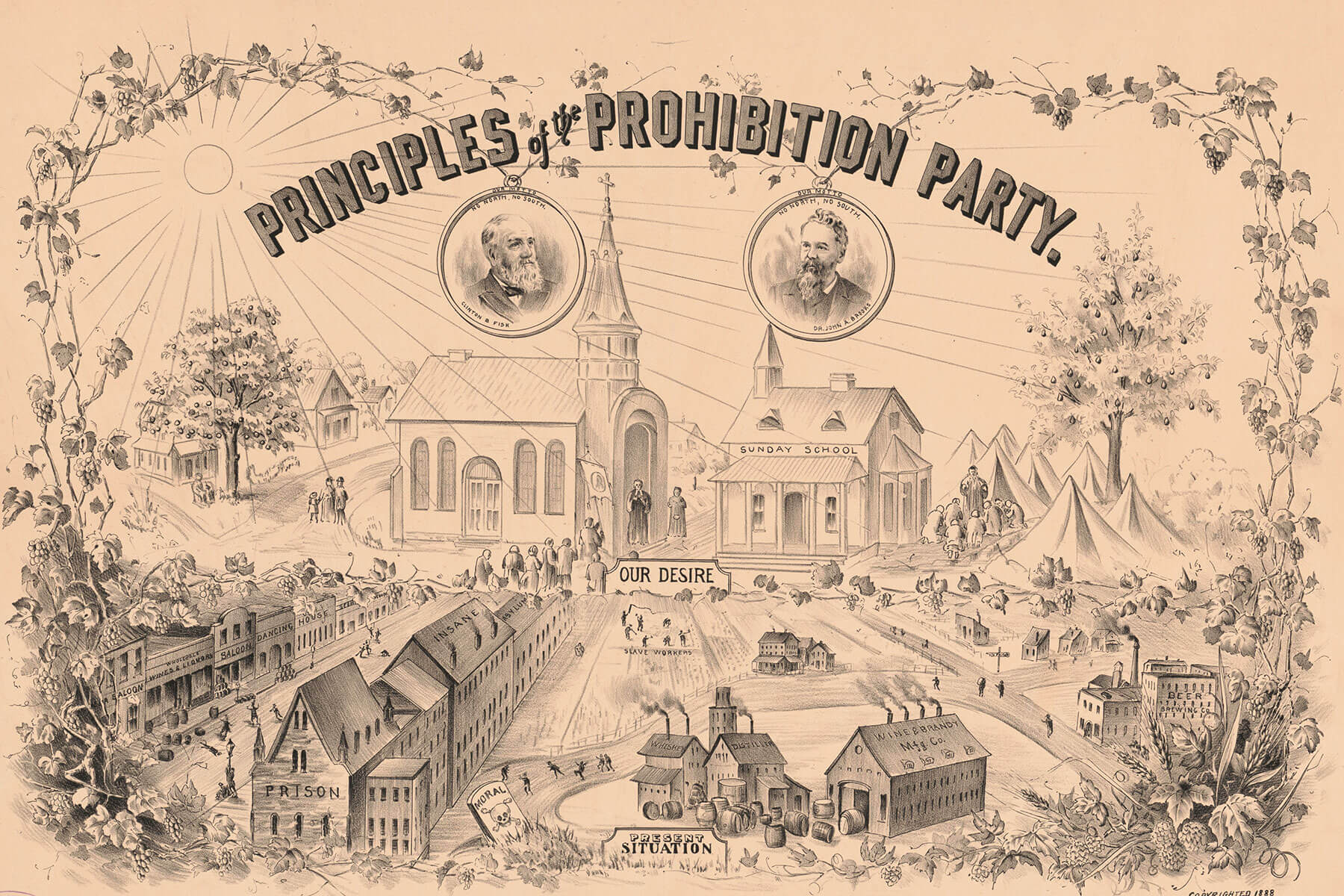
Photo credit: Ziga Plahutar/ iStock

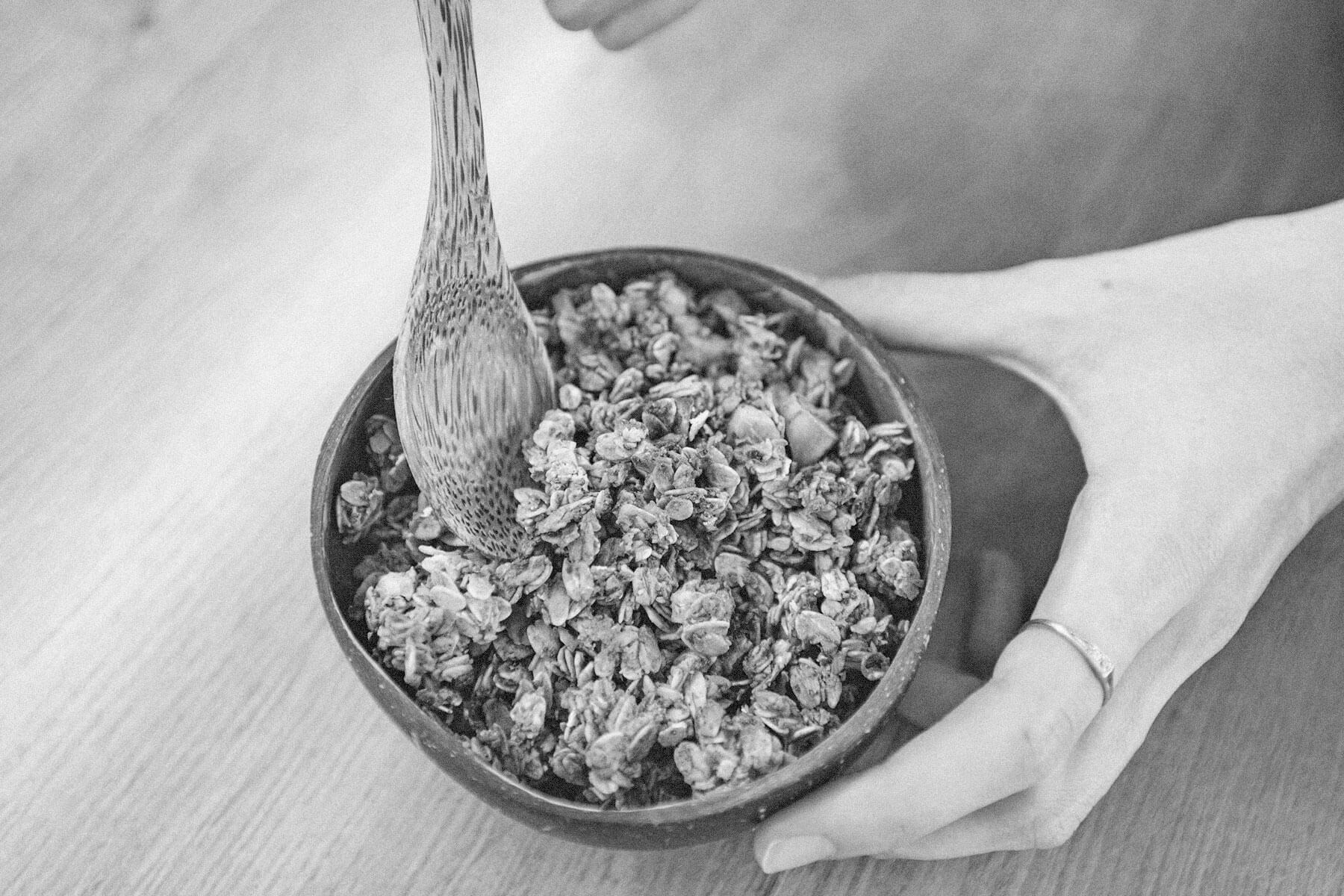
Granula Cereal

The first cold breakfast cereal, Granula was developed in 1863 in Dansville, New York, by James Caleb Jackson, a nutritionist who ran a health spa. Jackson believed that illnesses originated in the digestive system and that committing to a healthy diet could help cure sickness. He formulated Granula by baking graham flour into hard cakes and then crumbling the cakes and baking them a second time. The crumbled bits were then so hard that they had to be soaked overnight in milk to make the cereal edible. Dr. Jackson’s crunchy breakfast cereal was soon copied by inventor John Harvey Kellogg, who later invented corn flakes, who used a combination of cornmeal, oatmeal, and wheat flour to make his own version of Granula, which he called Granola — but only after Jackson sued him for using the Granula name.

You may also like

Where Did All the Egg Cream Sodas Go?

  • Egg cream soda
Egg cream soda
Michael Kraus/ Shutterstock
Author Nicole Villeneuve

January 3, 2024

Love it?

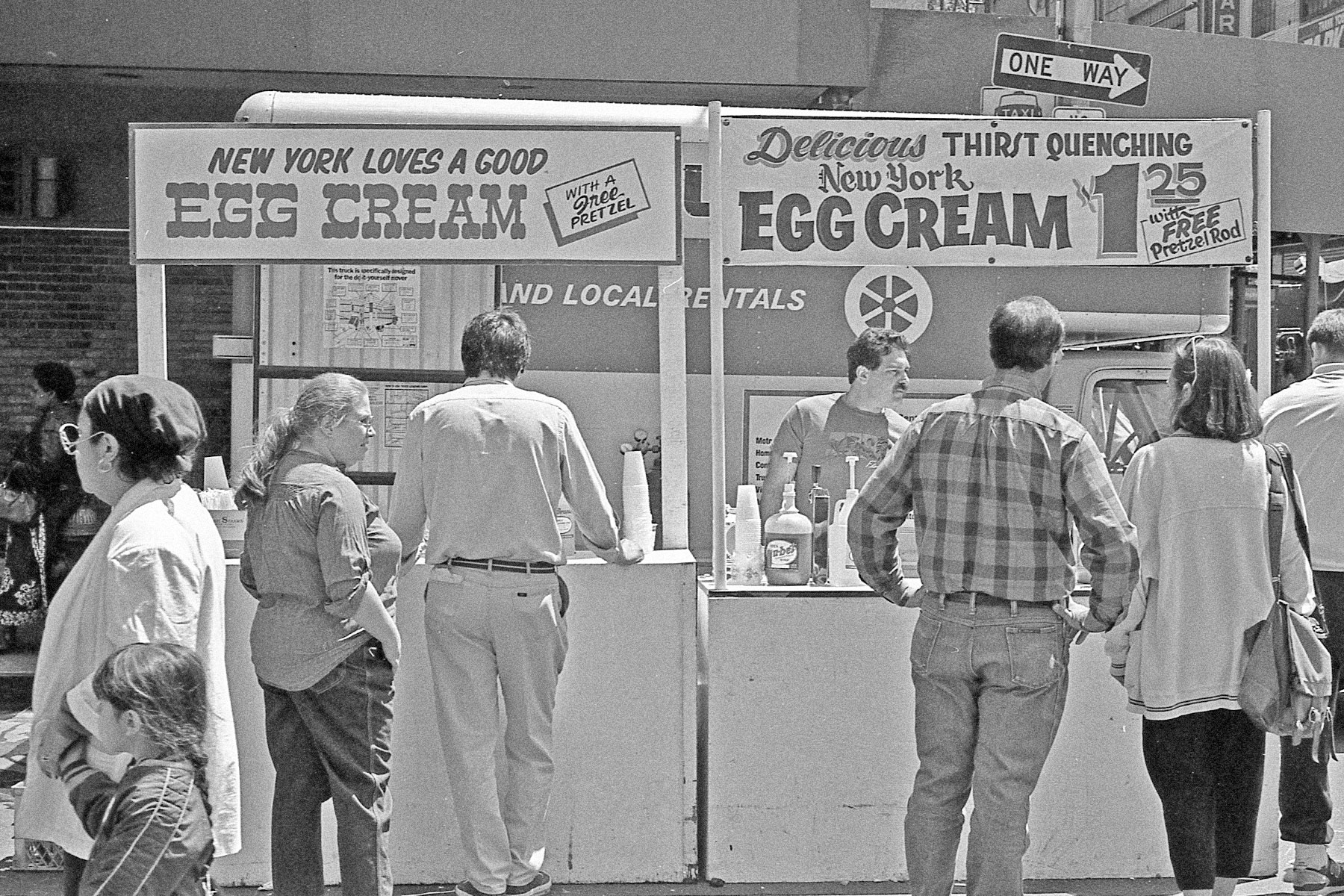
Egg cream sodas were once the effervescent star of New York’s soda fountain scene. Today, the drink is little more than a nostalgic novelty, served up occasionally at old school spots and retro-themed bars intent on keeping the classic alive. So what happened to this once-beloved treat?

At the beginning of the 20th century, soda fountains were a common sight and popular meeting place in New York City. The name described both the equipment — a tap that dispensed carbonated soda water — and the business, which often meant a place that served food along with the bubbly drinks. When they first gained popularity in the mid-1800s, soda fountain machines were primarily used in drug stores. Pharmacists mixed seltzer, seen then as a medicinal drink, with potent or bitter-tasting drugs to make them more palatable. 
In the early 1900s, the fountains and the “soda jerks” who worked them moved on from serving just prescription drinks to a more tempting variety of sweets. As fountains proliferated in candy stores, ice cream parlors, luncheonettes, and department stores, carbonated water was mixed with fruit syrup, used to make ice cream floats, and featured as one of just three ingredients in an iconic New York City drink from the era: the egg cream soda.

Photo credit: Denver Post via Getty Images

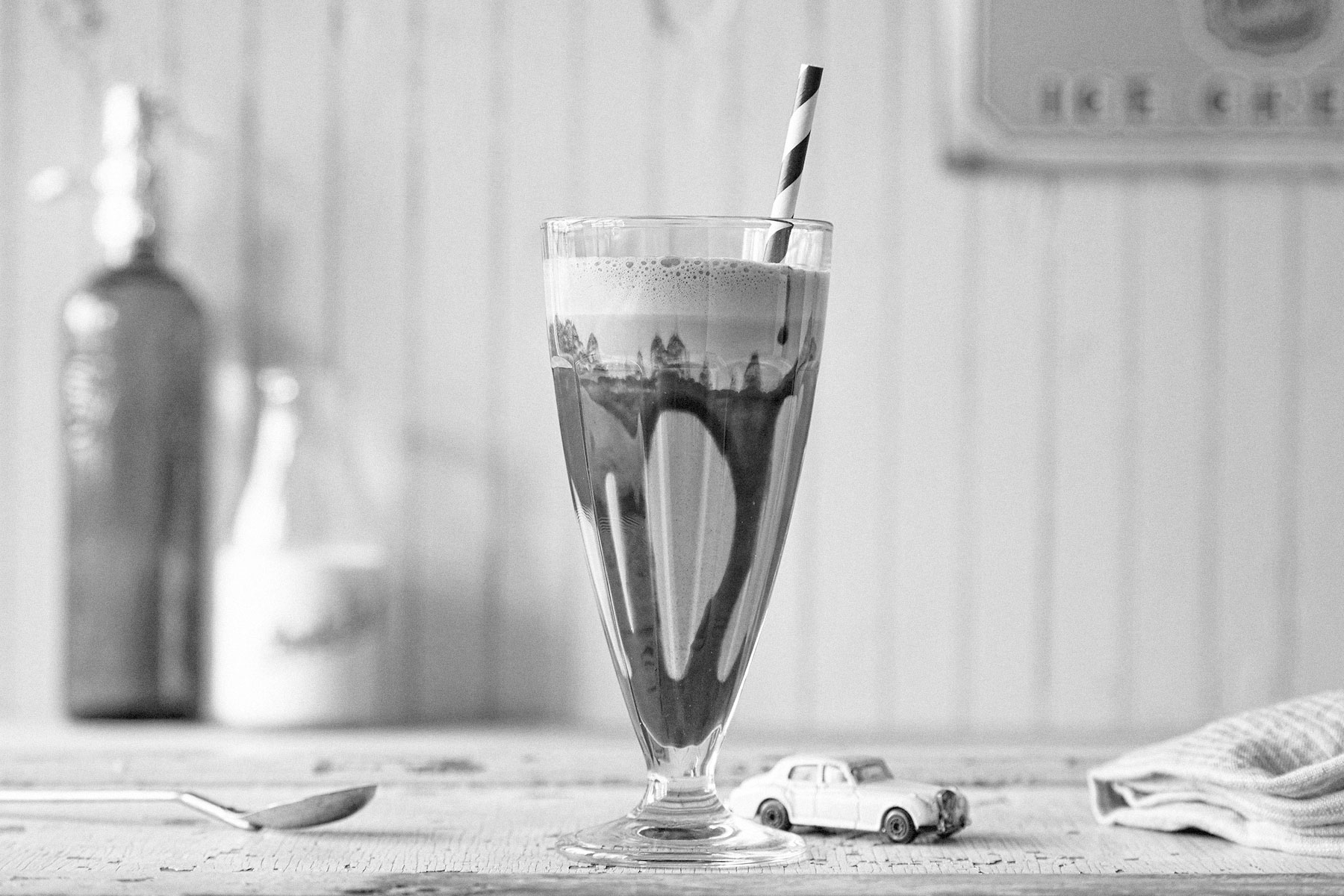
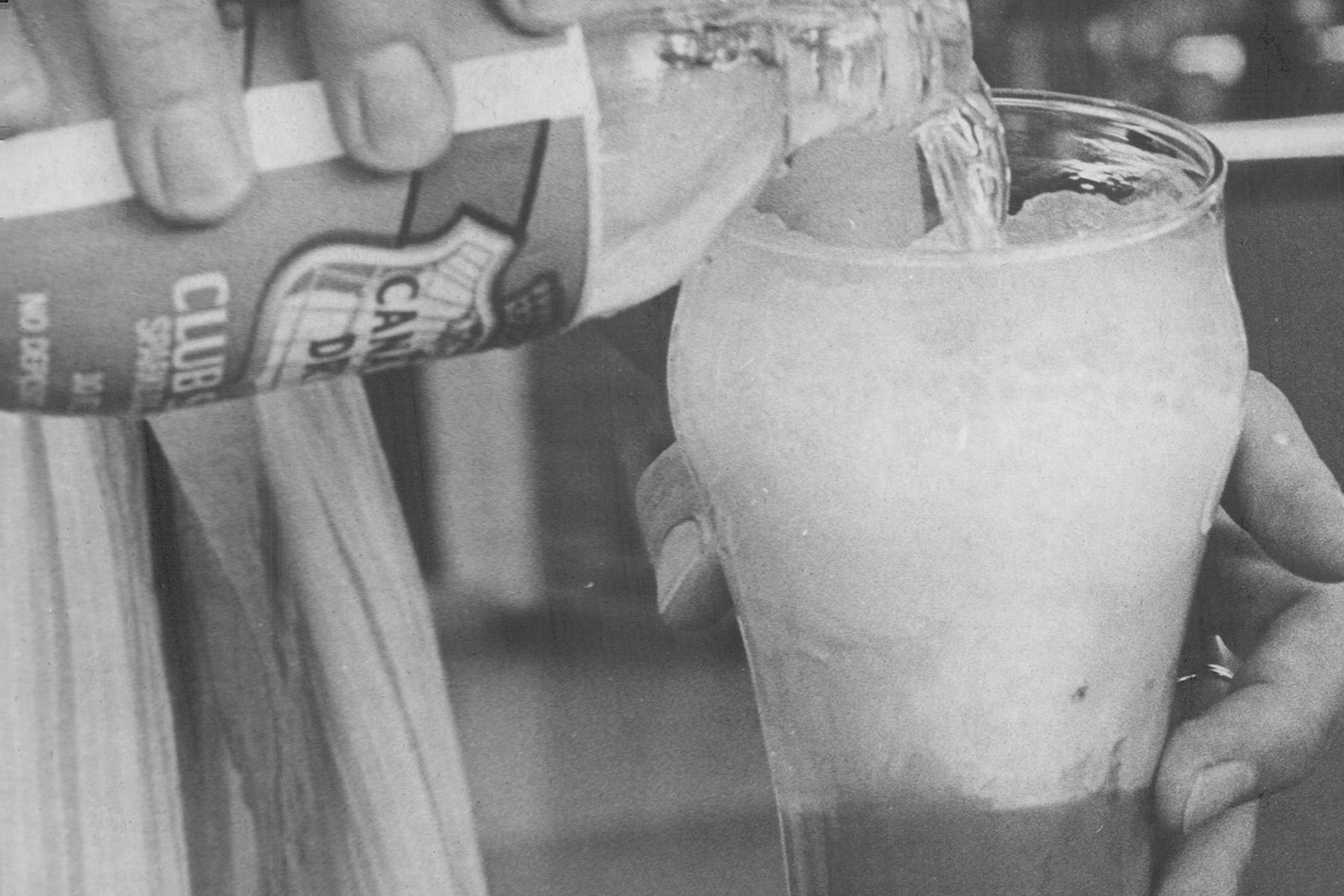
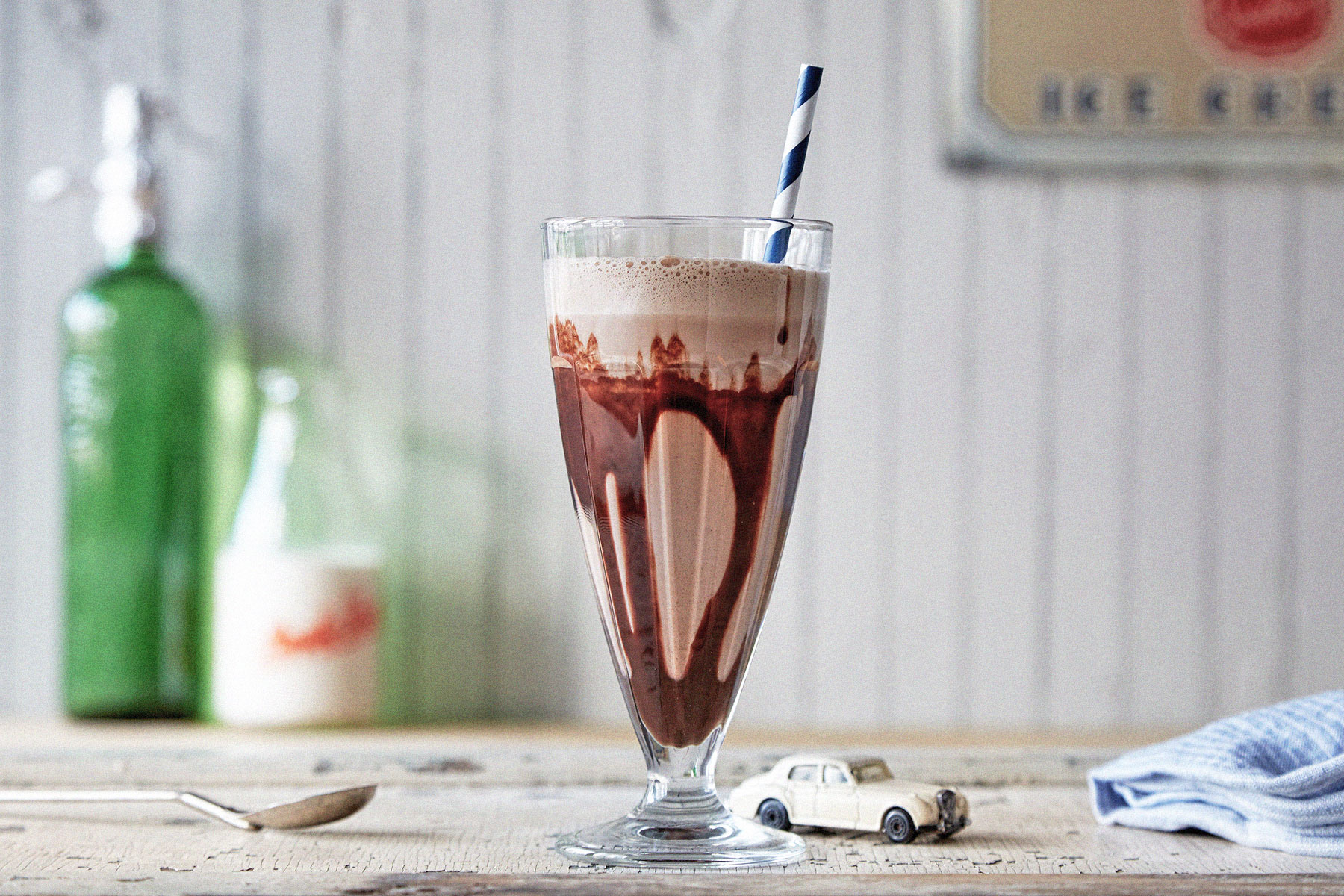
Contrary to its name, an egg cream contained neither eggs nor cream. (No one is exactly sure where the name came from, though there are certainly lots of theories.) The soda was a mixture of chilled whole milk, seltzer water, and chocolate syrup (preferably Fox’s U-Bet Chocolate Syrup), whipped together to create a creamy, frothy, fizzy drink. It was one of the best-known drinks in the city at the time, but exactly how and when it made its way to New York soda fountains is the subject of competing theories. One of the most popular stories suggests that Louis Auster first whipped it up at his Lower East Side candy store around 1890. Auster made his own chocolate syrup and never revealed his recipe. Another theory involves the Ukrainian-born Yiddish theater star Boris Tomashevsky. It’s said that, while in New York in the 1880s, he may have asked a soda jerk to make a drink he had enjoyed in Paris — a “chocolat et creme.” Yet another story, detailed in New York Magazine in 1971, claims the egg cream wasn’t actually invented until the 1920s, and was the property of the uncle of sociologist Daniel Bell — Uncle Hymie’s recipe, however, did involve an egg.

You may also like

The History of the Humble Lunch Box

  • Metal lunch box, 1950s
Metal lunch box, 1950s
Debrocke/ClassicStock/ Archive Photos via Getty Images
Author Kristina Wright

November 21, 2023

Love it?

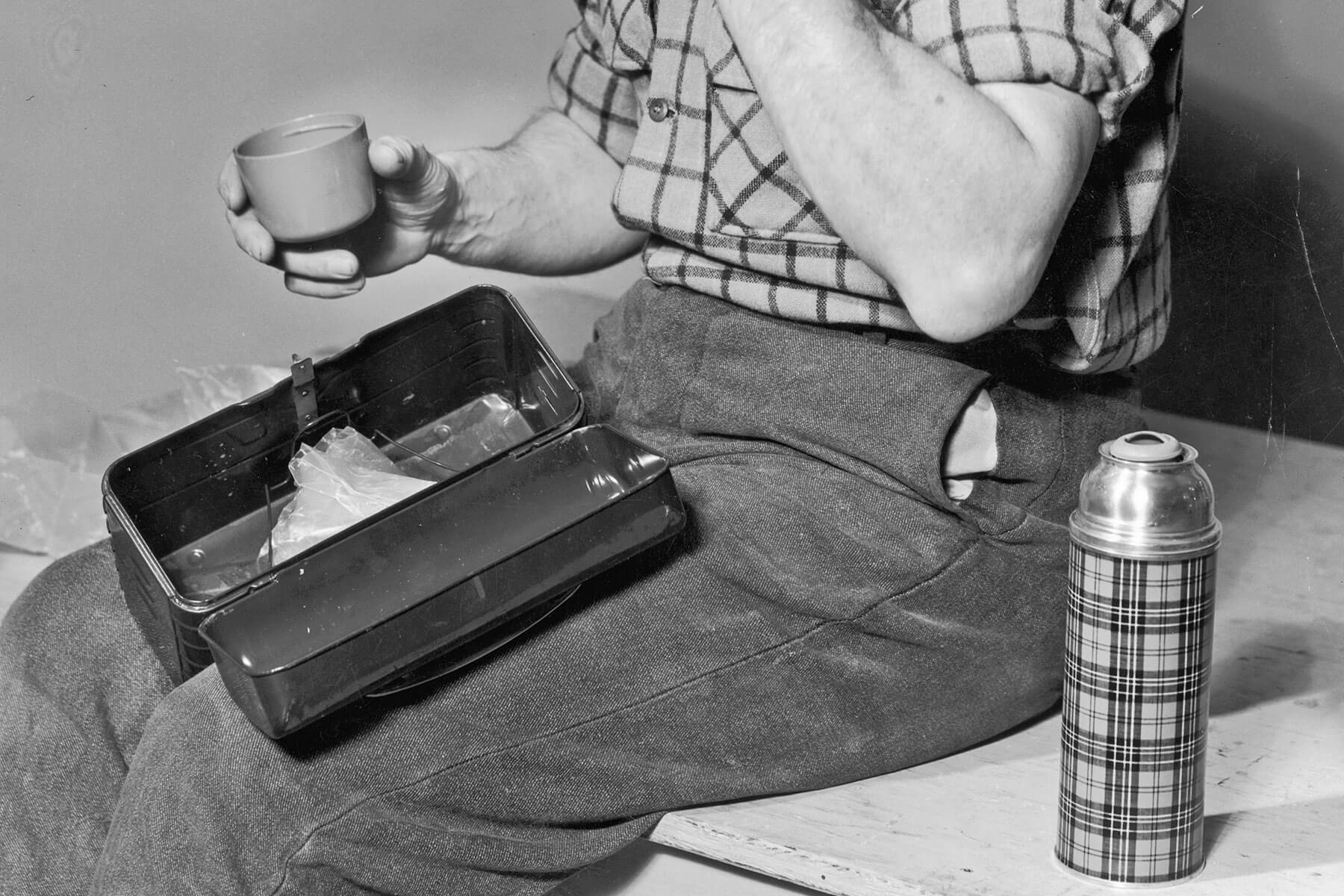
In the 1880s, plain metal lunch pails were a practical way for workers to transport and protect their midday meals. The utilitarian containers weren’t marketed for children, but it wasn’t long before parents, taking a cue from workers’ lunch pails, started reusing the metal tins used to hold cookies or tobacco for kids’ school lunches. 

In the early 20th century, it was common for children who lived in rural areas to pack their lunch, while kids in urban areas who lived closer to school would go home to eat. The first lunch box specifically designed for kids, which made its debut in 1902, was shaped like a picnic basket and featured lithographed images of children playing. In 1935, the Milwaukee-based company Geuder, Paeschke & Frey produced the first character-licensed “lunch kit,” a metal, oval-shaped, lithographed tin secured with a loop of wire that served as the handle. The tin featured a new cartoon character named Mickey Mouse — and the lunch box as we know it was born. 

Photo credit: Harold M. Lambert/ Archive Photos via Getty Images

A Pop Culture Phenomenon 

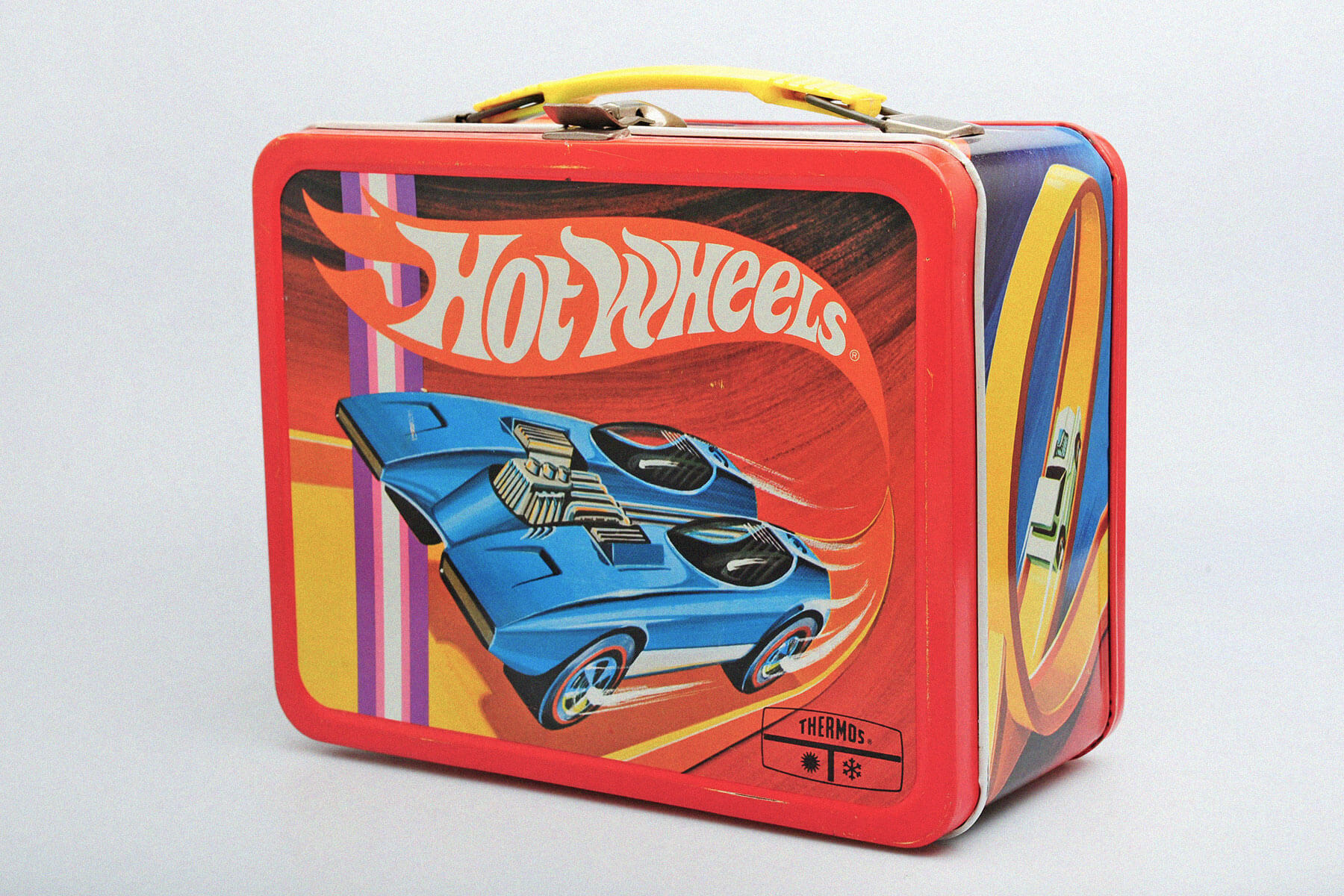
The 1950s marked a major turning point for the evolution of the lunch box, as the humble container became a means of portable self-expression. In 1950, Aladdin Industries saw an opportunity to expand its lunch box sales by taking its signature plain steel box, applying red enamel, and embossing it with a decal of Hopalong Cassidy, a fictional cowboy on a popular TV series. The product was a hit, and competitor American Thermos soon followed suit by releasing its own cowboy lunch box, featuring full-color images of Roy Rogers on all sides. The company sold 2.5 million Roy Rogers lunch boxes in 1953, a huge increase in sales.

By the mid-1950s, other manufacturers jumped into the metal lunch box market, competing for the licensing rights to popular TV shows. The lunch box business grew to encompass a wide variety of entertainment tie-ins, making themed lunch boxes popular with both children and collectors. Though the original plain metal kits were intended to be used year after year by adults, bringing pop culture themes to children’s lunch boxes meant that kids would want a new one at the start of every school year. This planned obsolescence meant more money for manufacturers, who were further inspired to introduce additional styles and designs, such as lunch boxes with matching thermoses.

You may also like

5 Ways Fruits and Vegetables Evolved Over Time

  • Different banana varieties
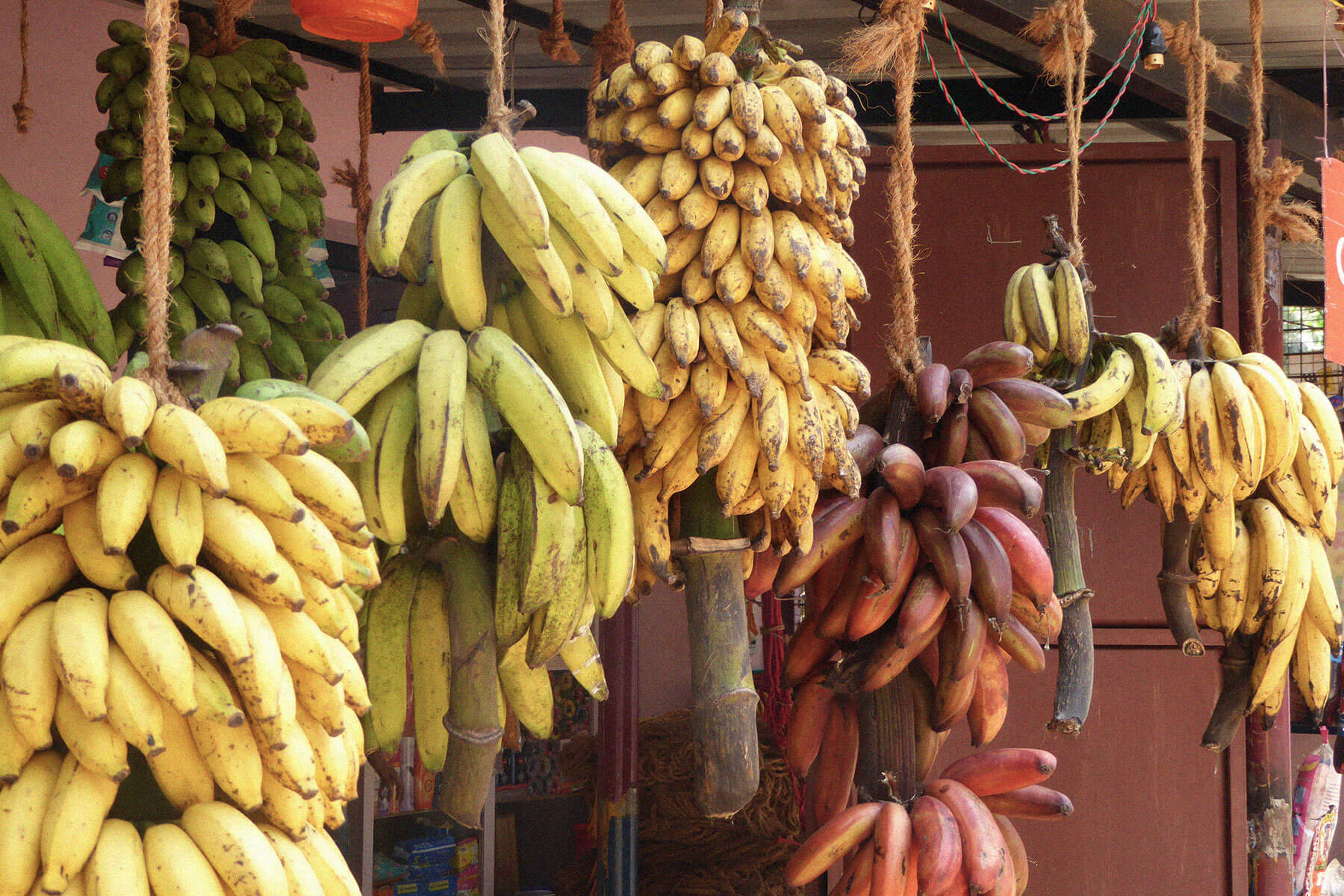
Different banana varieties
Alistair Smailes/ Unsplash
Author Nicole Villeneuve

September 21, 2023

Love it?

The fruits and vegetables we buy at the supermarket today often look very different from the produce of centuries past. Some 10,000 years ago, as humans shifted from hunter-gatherer societies to permanent settlements, the cultivation and modification of crops began. 

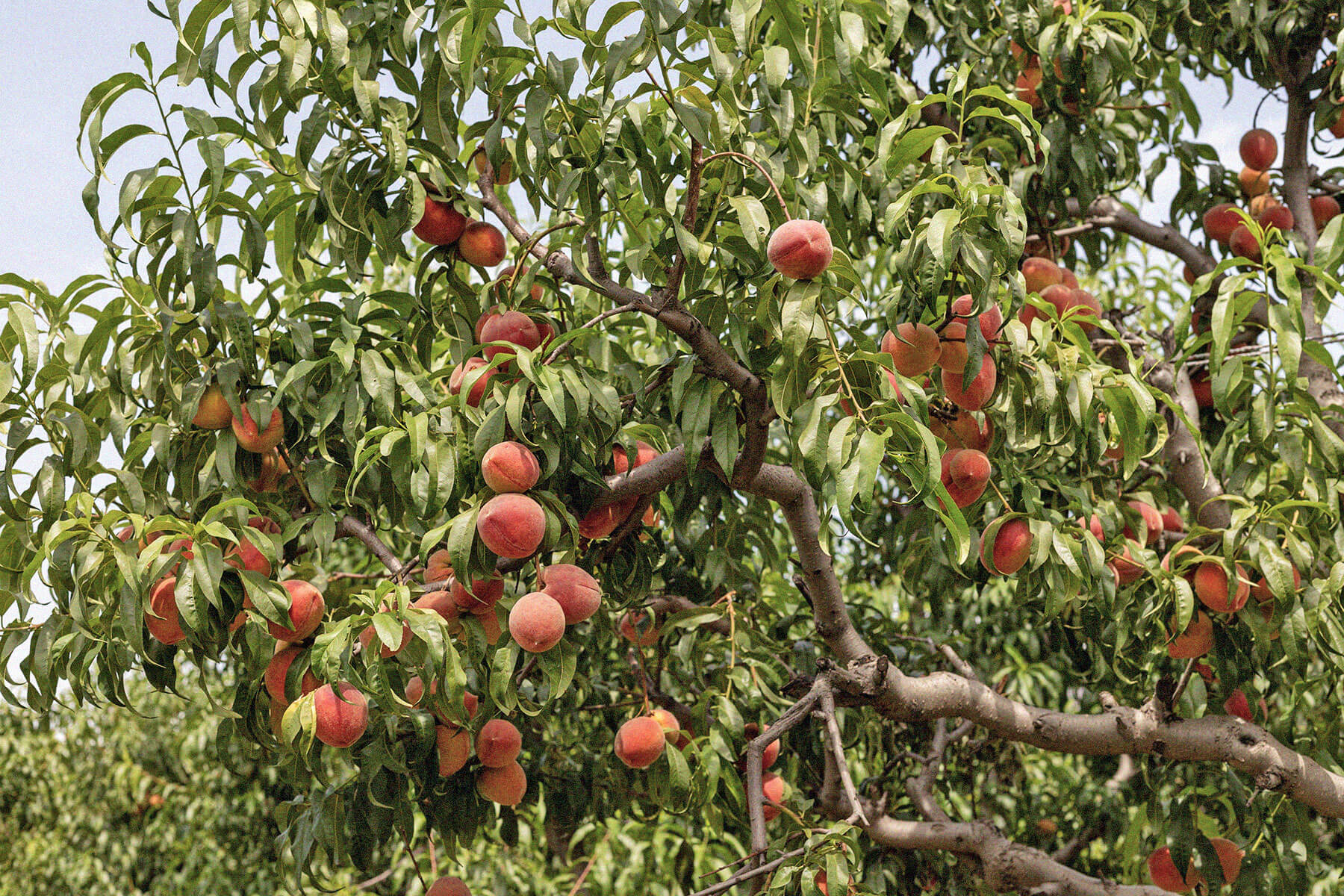
Early farmers usually selected plants based on their harvestability and the size of their fruit. Over time, plants were crossbred to enhance their best traits, and this process gradually improved the taste, size, and yield of their fruit. Today, our modern produce tells the story of the coevolution between humans and the plants we eat.

Photo credit: Tapsiful/ Shutterstock

Carrots Used to Be White, Yellow, and Purple

Carrots weren’t always the vibrant orange we know today; in fact, the root vegetable originally grew in shades of purple, white, and yellow. According to popular legend, the carrot got its modern hue from Dutch growers in the 17th century paying tribute to William of Orange, a key figure in the Dutch fight for independence. Domesticated carrots originated with farmers in modern-day Afghanistan more than 1,000 years ago. Historians believe these early farmers began to breed carrots to enhance their carotenoids — their natural pigments — though whether it was to increase nutrition, to reduce the veggie’s inherent bitterness, or another reason altogether isn’t exactly known. These early modifications gave carrots a yellow hue, and hundreds of years later, Dutch cultivation deepened their hue yet again, turning them from yellow to dark orange. 

Photo credit: Magite Historic/ Alamy Stock Photo

Watermelon Used to Be Wild Looking 

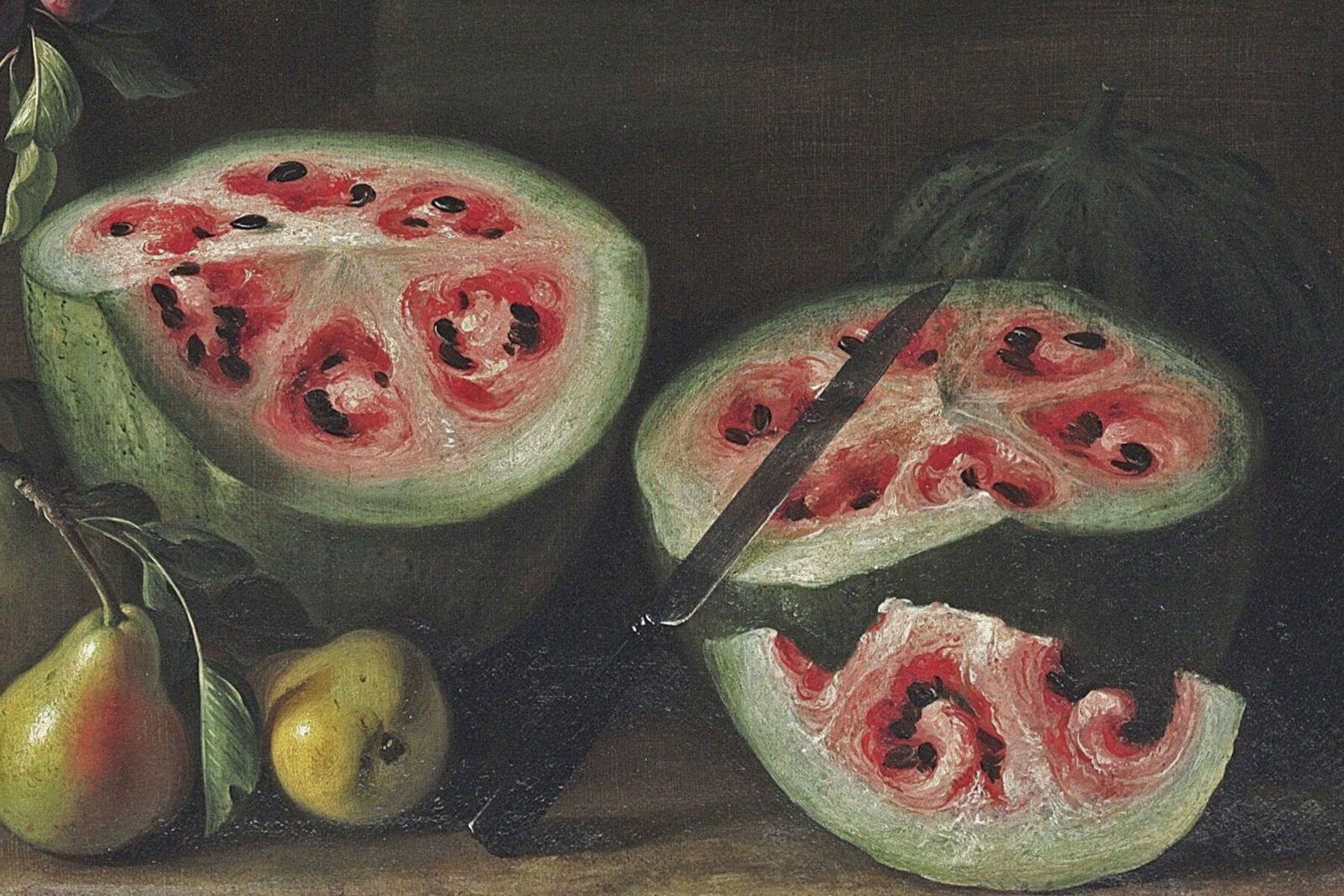
According to genetic study, wild watermelon originated in parts of Africa, but it shared little resemblance to the sweet summer fruit we eat today. The most clear depiction of what the green-skinned gourd once looked like comes from a 17th-century painting by Italian artist Giovanni Stanchi. The watermelon looks similar on the outside to what we see in stores now, but the inside looks truly, well, wild: It featured a pale, rind-like flesh marked by swirling, recessed pockets of seeds. Researchers believe the fruit would likely have been sweet even in its early state, although not as sweet as the selectively bred bright-pink species we enjoy today.

You may also like

7 Fascinating Facts About the Prohibition Era 

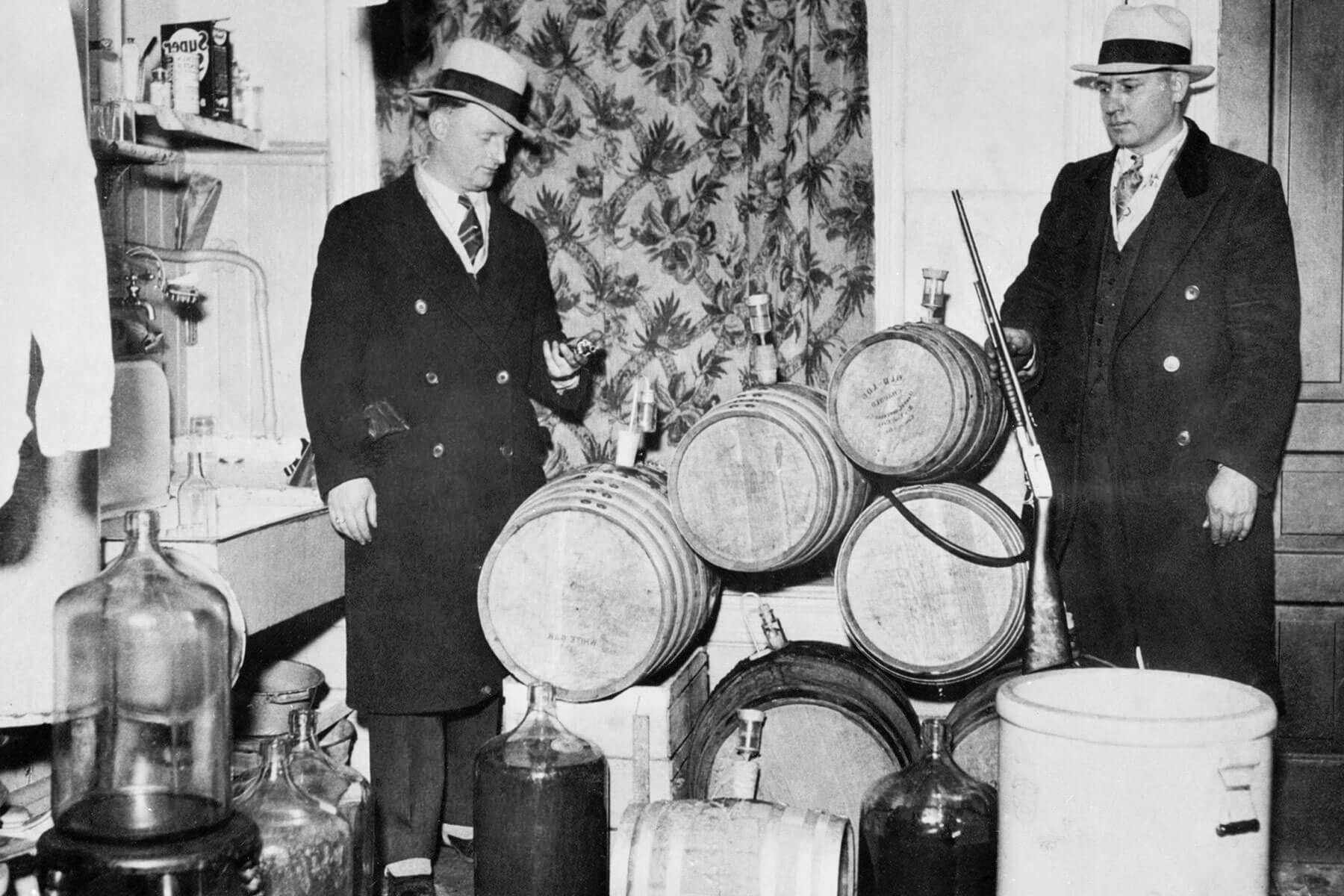
  • Prohibition Raid, 1920s
Prohibition Raid, 1920s
Chicago History Museum/ Archive Photos via Getty Images
Author Tony Dunnell

August 25, 2023

Love it?

As early as the colonial era, the consumption of alcoholic beverages was a contentious issue in America. Drunkenness was generally frowned upon, and certain sectors of society believed that alcohol was nothing short of the devil’s juice. Tensions came to a head in the early 20th century, when the temperance movement (which advocated for moderation in all things), supported by groups such as the Anti-Saloon League, the National Prohibition Party, and women suffragists, convinced lawmakers to curtail what they saw as the calamitous and ungodly effects of alcohol. 

The result was the 18th Amendment to the U.S. Constitution, ratified on January 16, 1919. One year after the ratification, the prohibition of alcohol in the United States began, and breweries, wineries, and distilleries across the country were shuttered. 

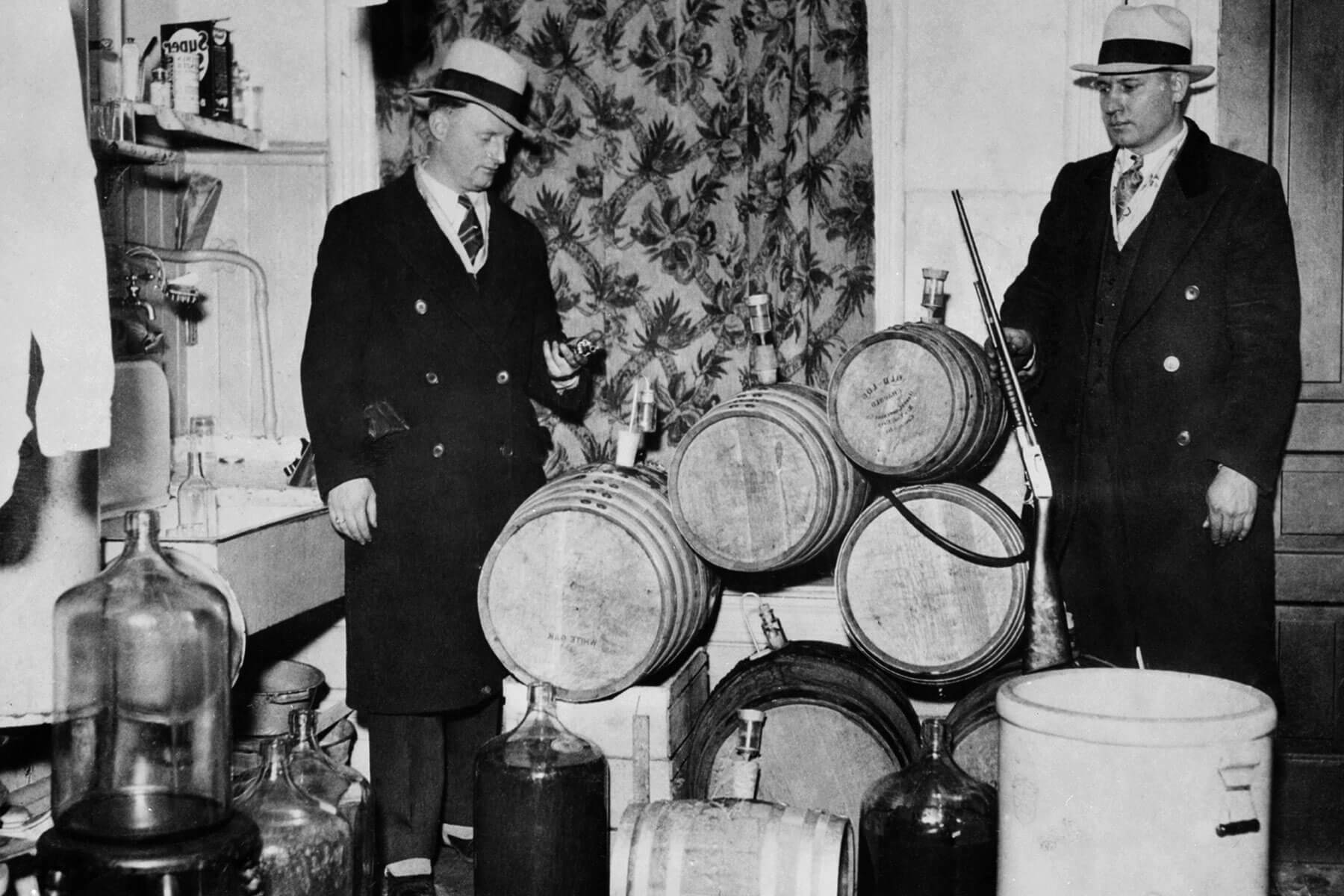
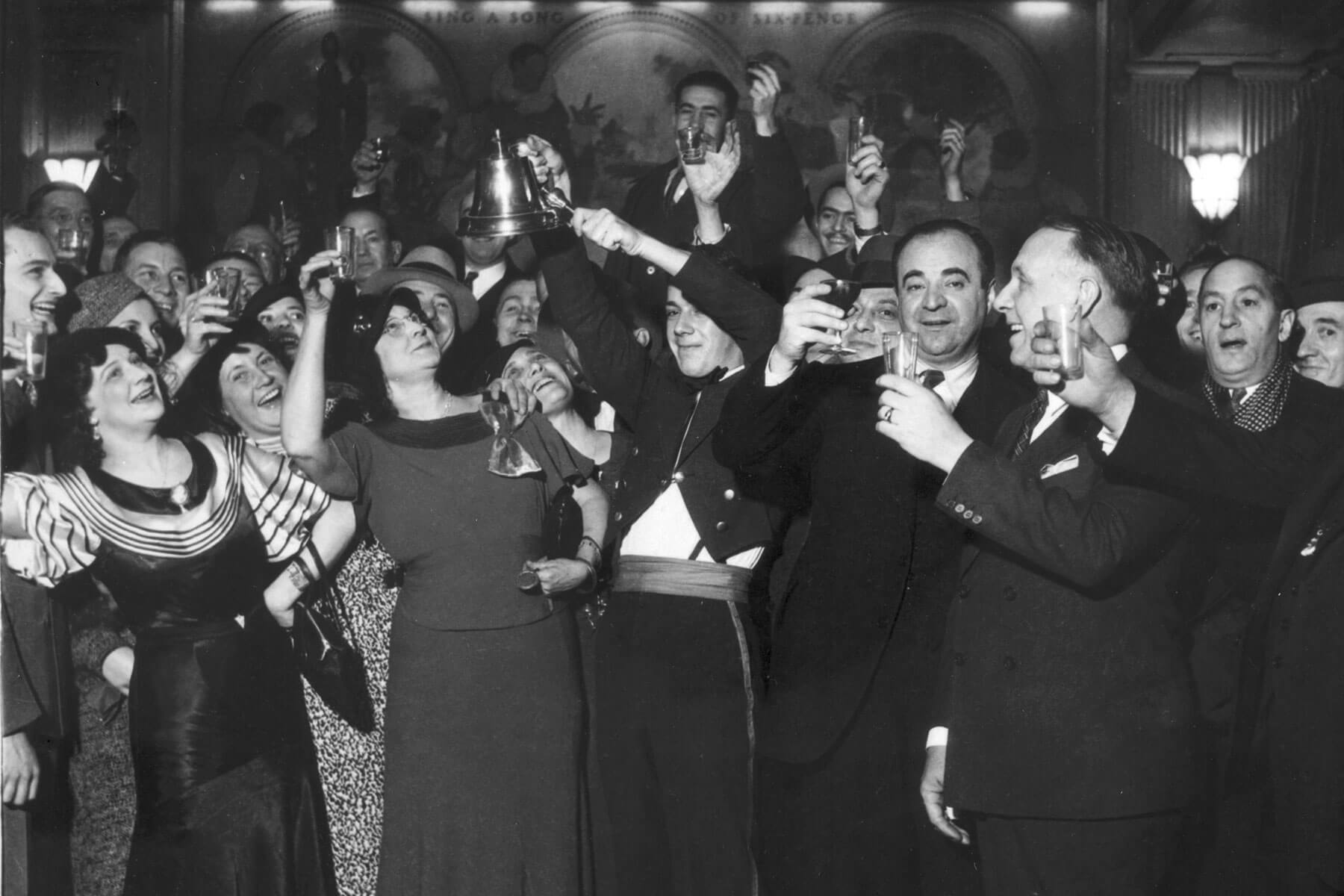
Initially, the signs were positive. There was a significant reduction in alcohol consumption, booze-related hospitalizations declined, and there were notably fewer crimes related to drunkenness. But one thing never changed: Many people still enjoyed an occasional drink and weren’t willing to live completely dry lives. Enter bootleggers, speakeasies, and organized crime. The Prohibition era lasted until 1933, and marked a period of colorful characters, clandestine operations, and government corruption. Here are seven facts from this fascinating time in U.S. history.

Photo credit: Credit: Bettmann via Getty Images

It Wasn’t Actually Illegal to Drink Alcohol

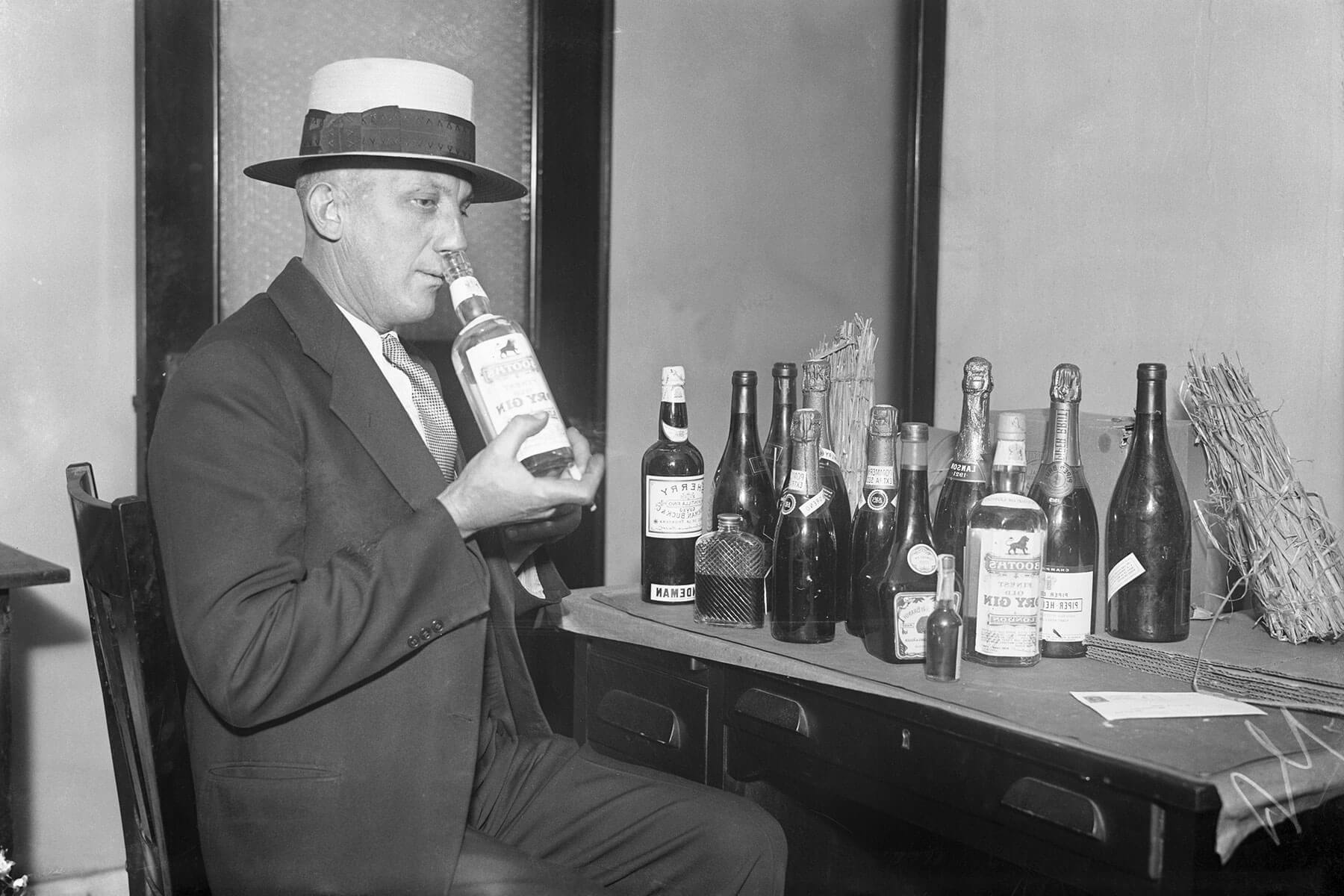
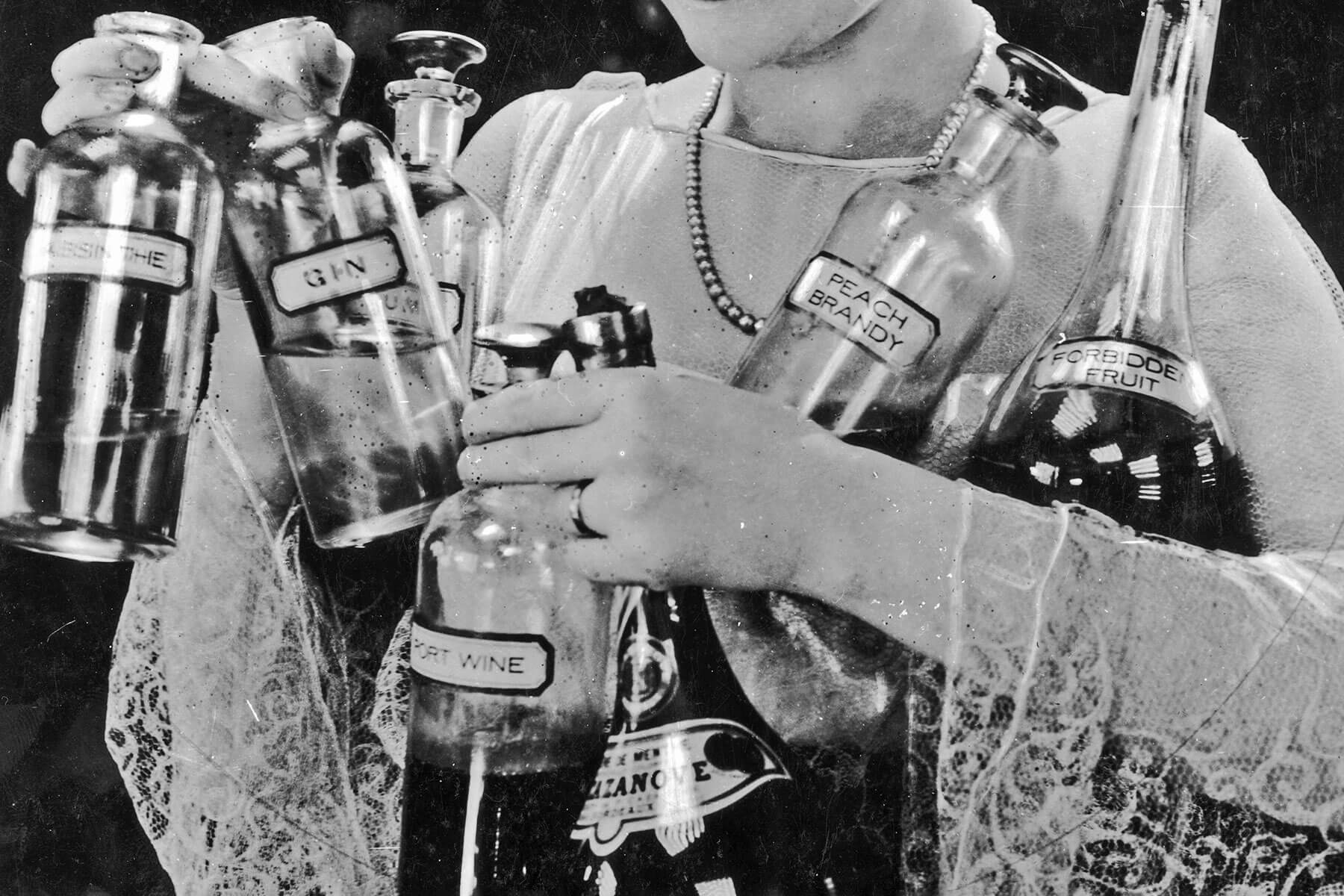
The 18th Amendment prohibited “the manufacture, sale, or transportation of intoxicating liquors” within the United States, but it didn’t ban the consumption of alcohol at home. So, during the one-year grace period before Prohibition began, people — those who could afford it, at least — began stockpiling wine and liquor while it was still legal to buy. Once the cellars had been stocked and Prohibition began, there was a notable rise in home entertaining and dinner parties — a shift that transformed America’s drinking culture in a way that’s still felt to this day. 

Photo credit: Bettmann via Getty Images

Prohibition Had Lots of Loopholes

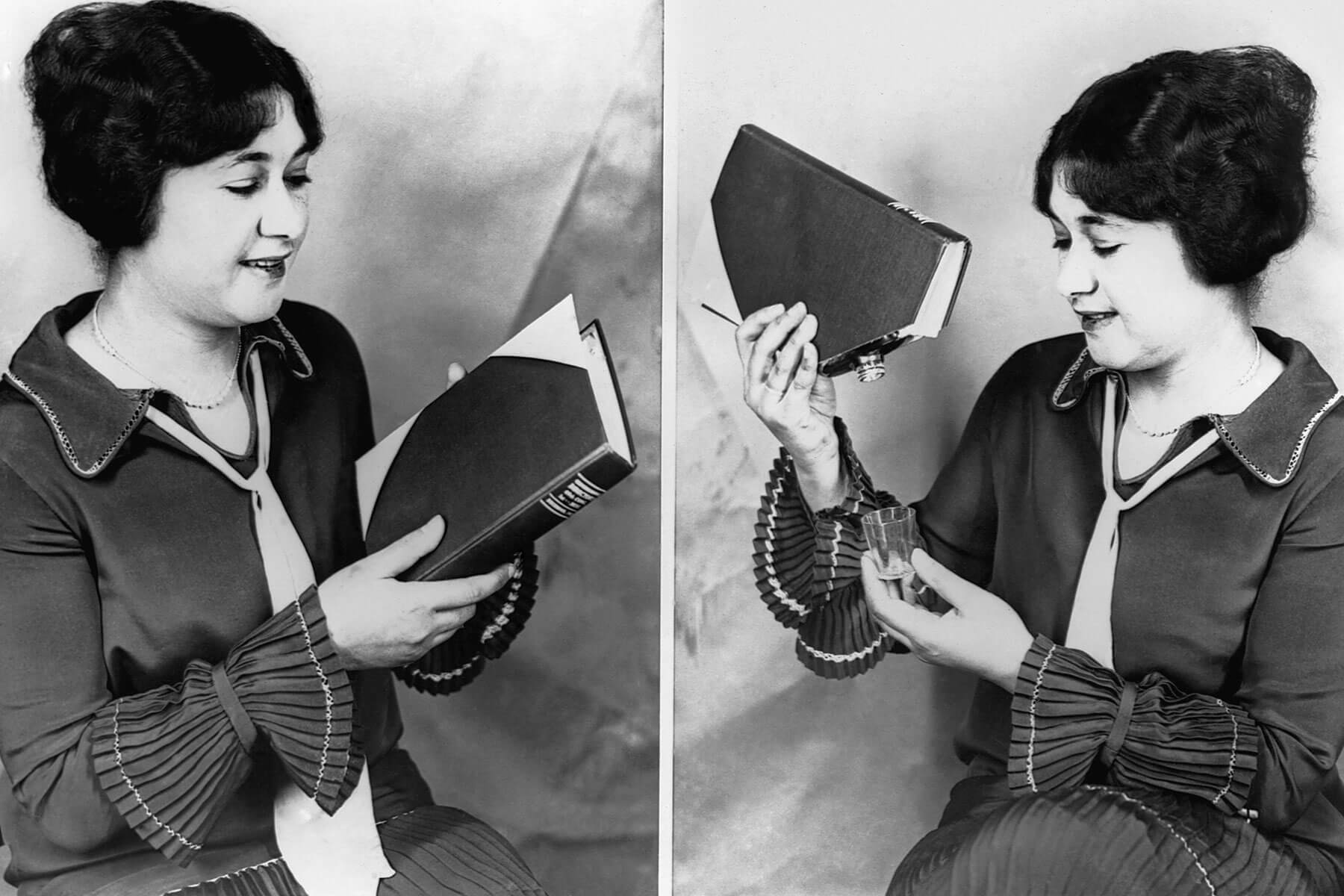
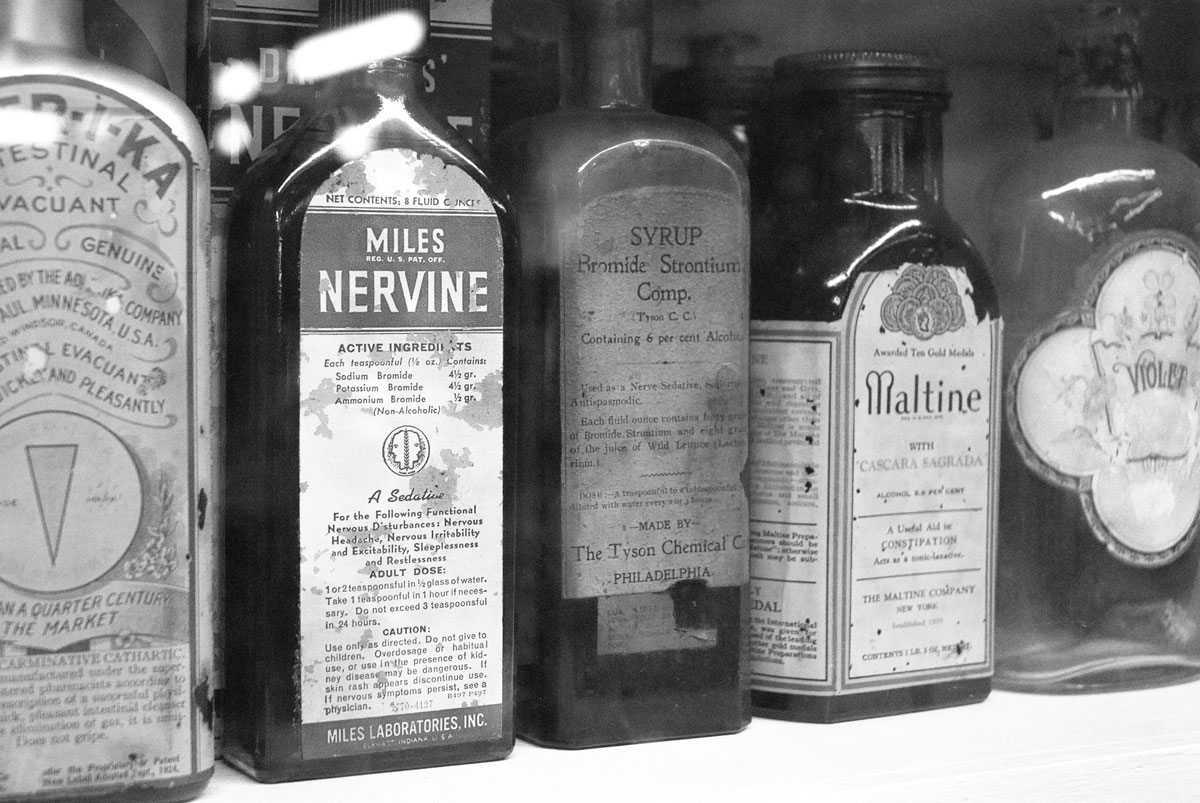
Despite the constitutional law, certain legal loopholes existed that facilitated the acquisition of alcohol. Doctors could prescribe whiskey for medicinal purposes, making a friendly neighborhood pharmacist a handy source of booze — not to mention an ideal front for bootlegging operations. Religious congregations were allowed to purchase communion wine, which led to an increase in church enrollment. Winemakers, meanwhile, began selling “wine bricks,” rectangular packages of entirely legal concentrated grape juice that could be used to make wine at home. The packaging even came with a handy “warning”: “After dissolving the brick in a gallon of water, do not place the liquid in a jug away in the cupboard for twenty days, because then it would turn into wine.”

You may also like

5 Dizzying Facts About the History of Alcohol

  • Alcohol drinks at the bar
Alcohol drinks at the bar
New Africa/ Shutterstock
Author Bennett Kleinman

August 18, 2023

Love it?

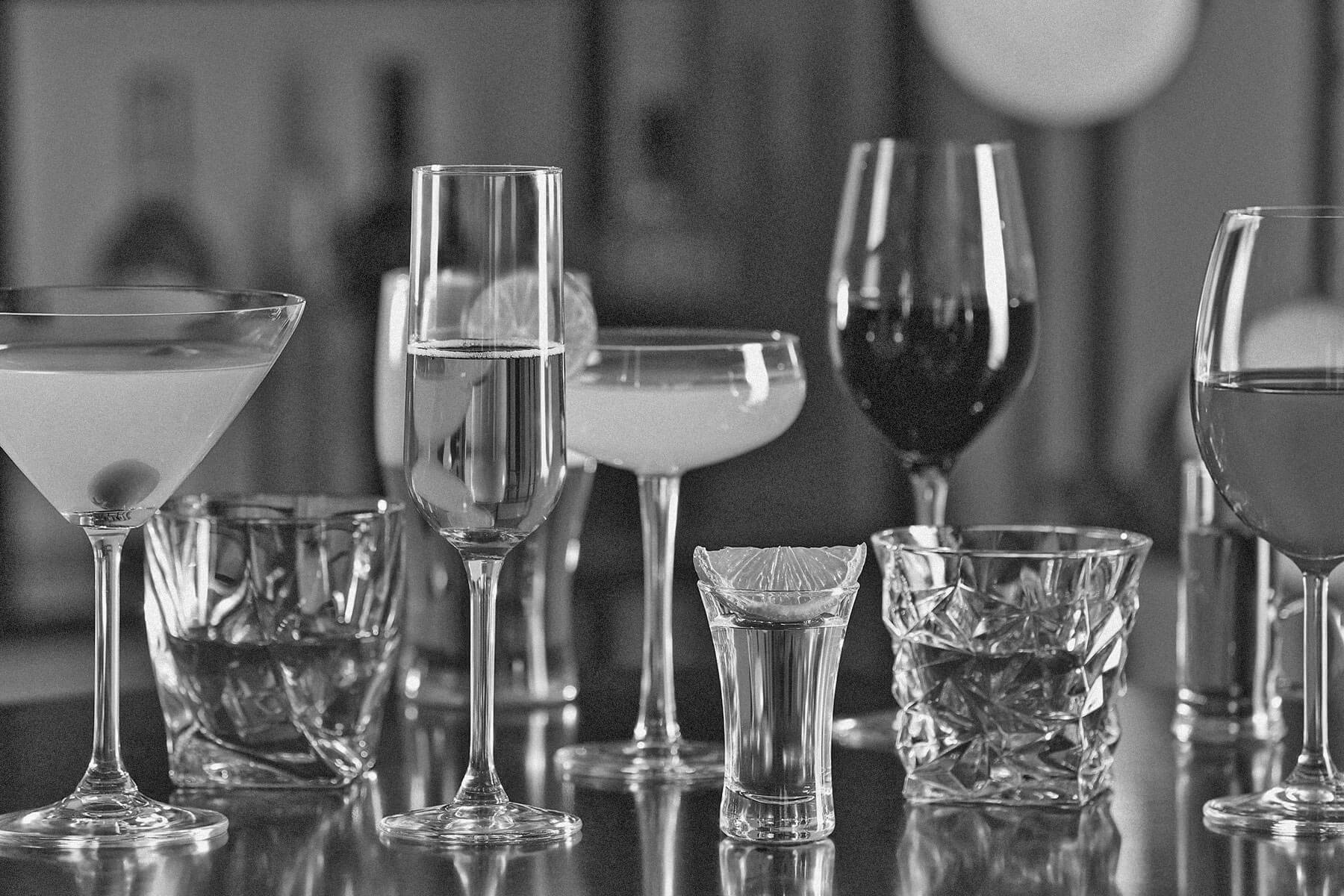
From gastropubs to college campuses, alcohol is present wherever people socialize. But liquor, beer, and wine didn’t just pop up overnight. These libations have a rich history dating back millennia. In fact, alcoholic beverages even predate many ancient civilizations — the earliest known fermented drinks date back as far as 13,000 years ago, when a beer-like porridge was brewed in a cave near modern-day Haifa, Israel.

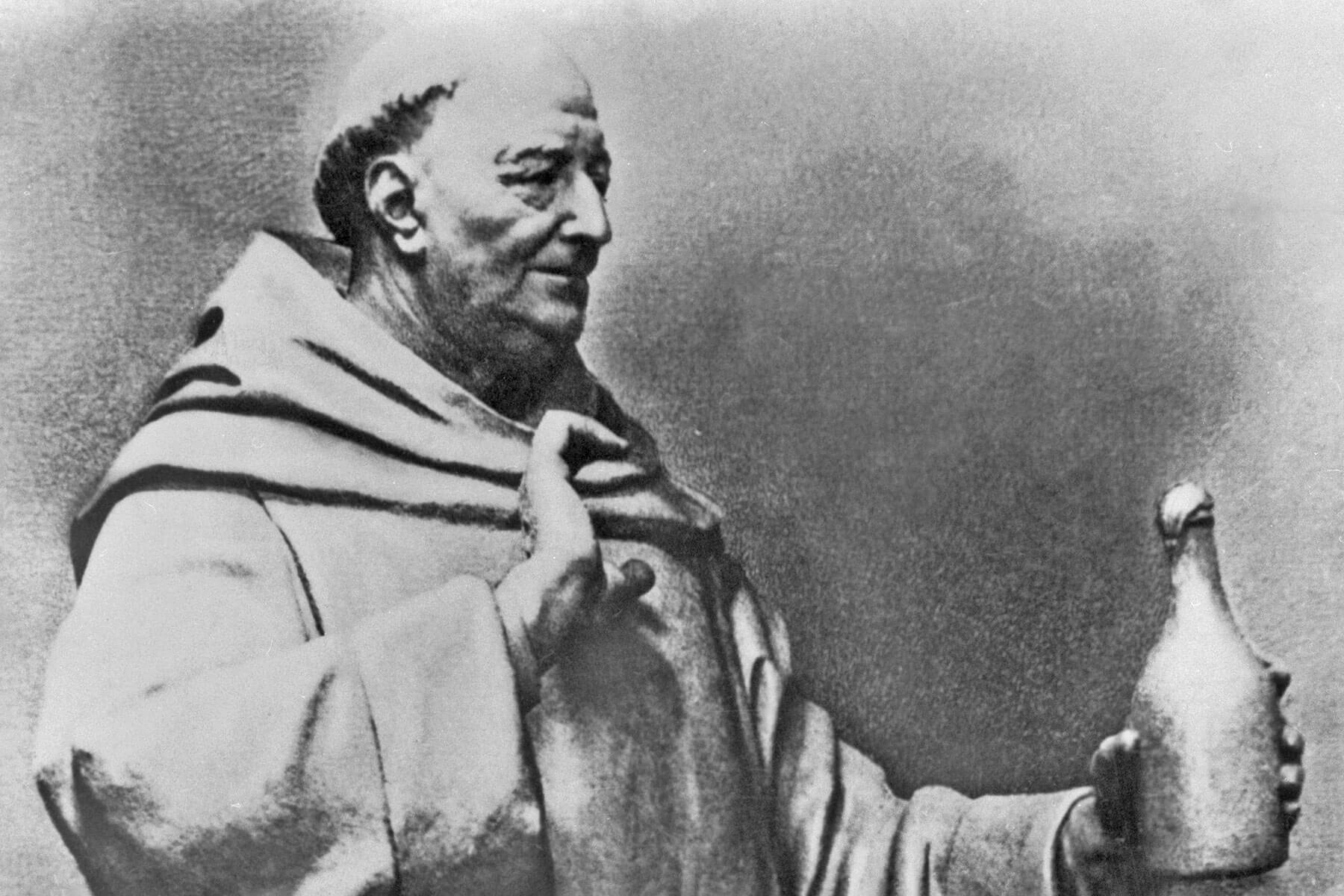
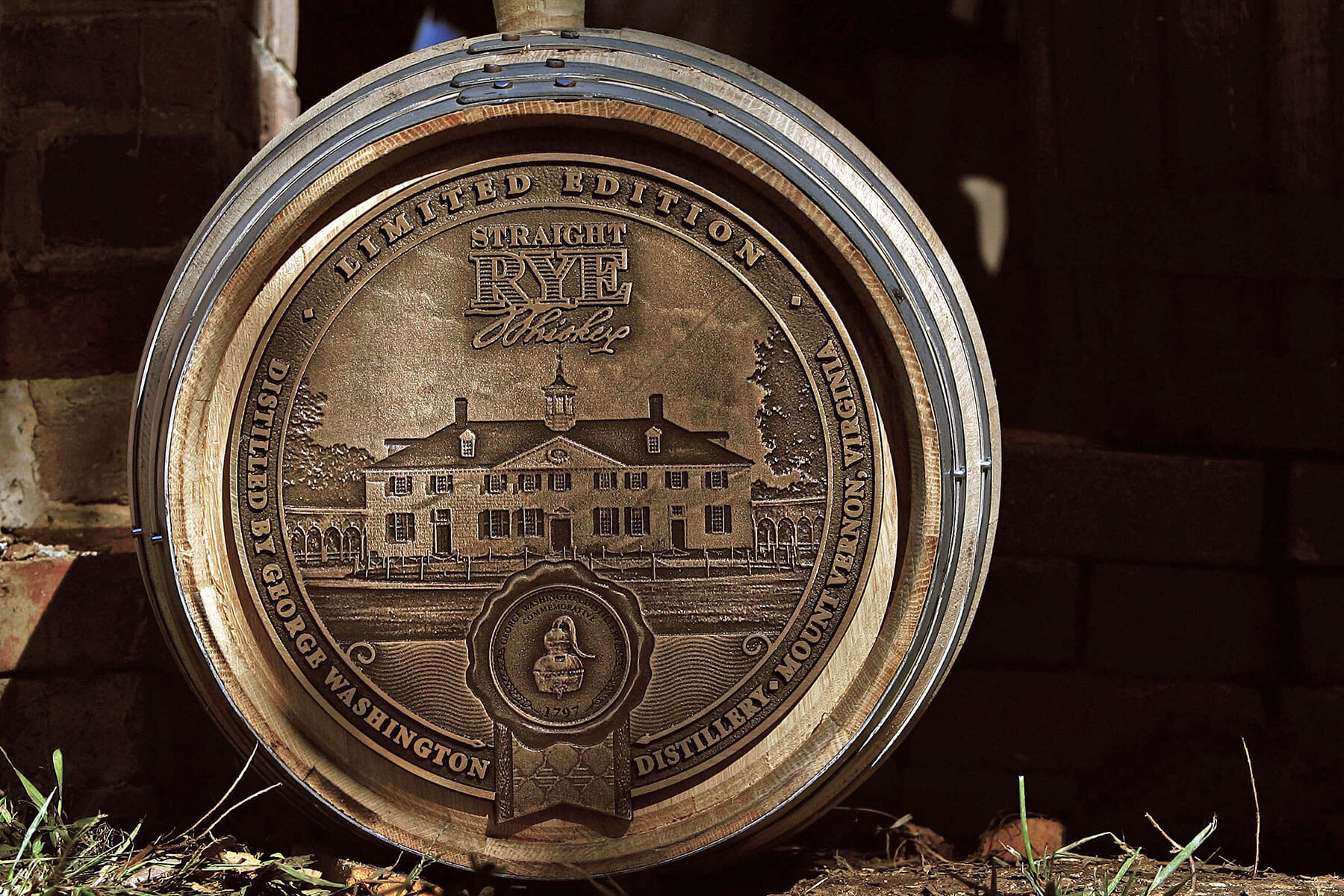
In the many centuries since, booze has played a pivotal role in countless cultures. It’s been used as currency, cultivated in monasteries, and even distilled by America’s first President. So grab your favorite cocktail and keep reading for five facts about the history of alcohol.

Photo credit: Natia Dat/ Shutterstock

Grape-Based Wines Originated in Modern-Day Georgia Around 6000 BCE

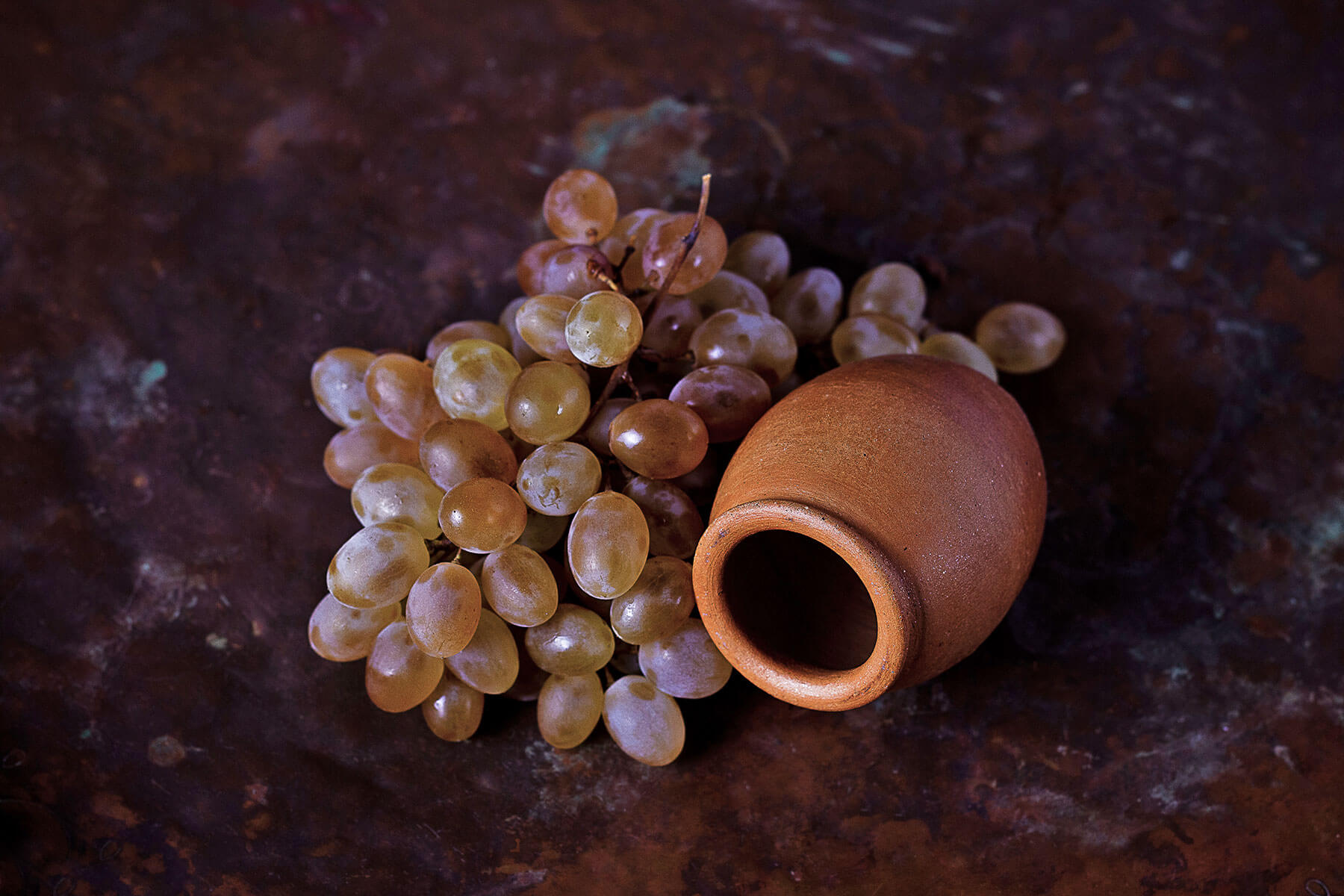
The winemaking industry as we know it began more than 8,000 years ago, with a group of farmers in a region of the South Caucasus now home to the country of Georgia. It wasn’t France or Italy that first turned grapes into wine, but rather residents of an ancient site known as Gadachrili Gora, a Stone Age village just south of modern-day Tbilisi. Archaeological excavations uncovered pottery fragments dating to the Neolithic period that contain residual wine compounds such as grape pollen and starch. These large vessels — early versions of a popular Georgian wine vessel known as a Qvevri — were decorated with depictions of grapes, further suggesting their use in winemaking. It’s believed the vessels were used for fermentation, aging, and serving all in one.

Photo credit: Science History Images/ Alamy Stock Photo

Ancient Egyptian Workers Were Paid in Beer

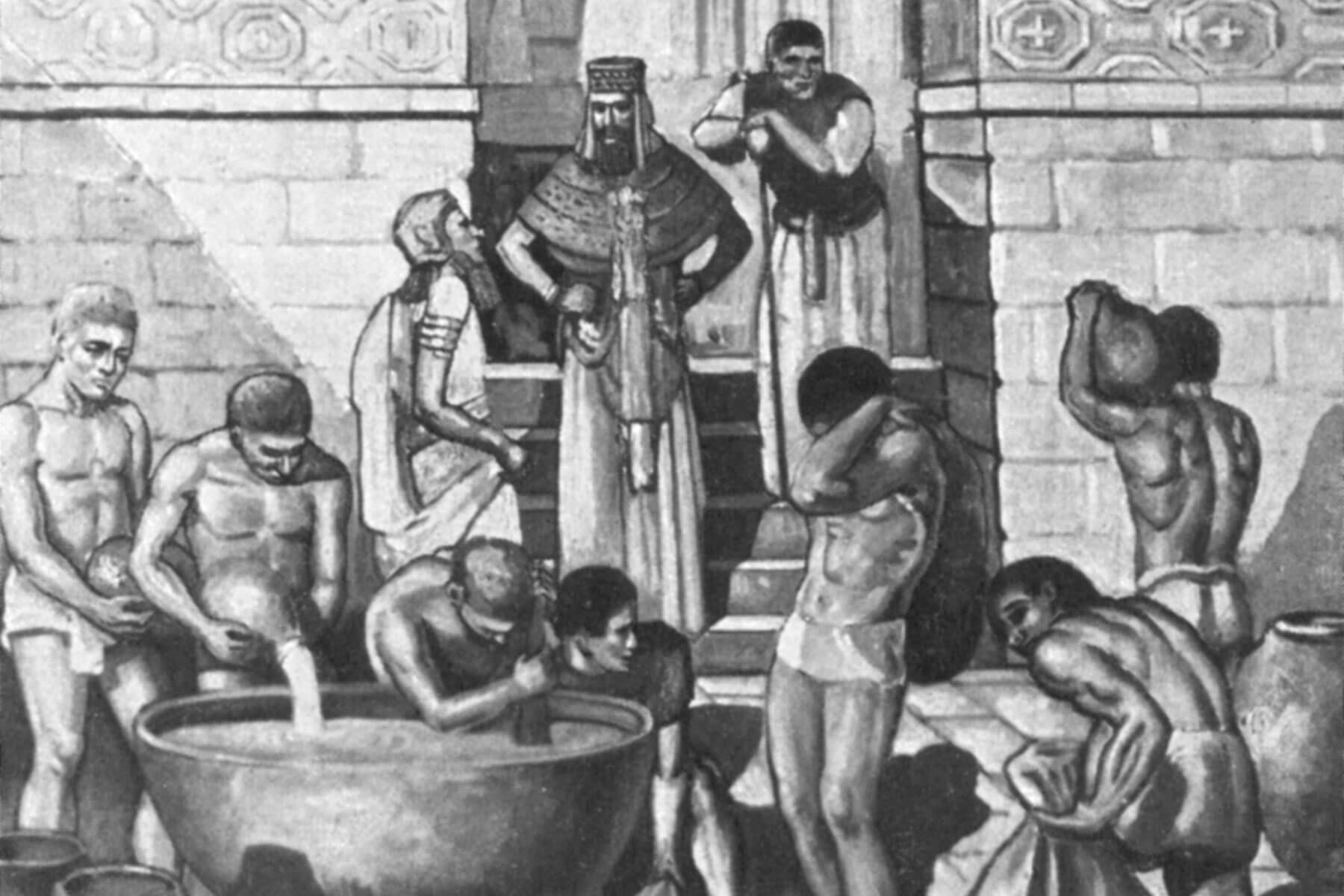
The ancient Sumerian people of Mesopotamia (near modern-day Iraq) created the first recorded evidence of barley beer around the year 3400 BCE (though beer likely dates back thousands of years earlier). In the centuries that followed, these early and popular beer-like beverages sprung up throughout the region. Few cultures at the time loved a brew to the degree of the ancient Egyptians, however; they treated the beverage as a key component of their everyday diet, as many meals consisted of just beer and bread. Wine was also popular in Egypt at the time, though it was often reserved for members of upper-class society, making beer more popular among those in the working class. Workers along the Nile River were even paid with an allotment of beer, as it was considered safer to drink than water from the polluted river. These libations were often flavored with additives such as dates and olive oil, only adding to their deliciousness at the time.

You may also like

A Brief and Intoxicating History of the Cocktail

  • Person raising a glass
Person raising a glass
H. Armstrong Roberts/ Retrofile via Getty Images
Author Kristina Wright

August 2, 2023

Love it?

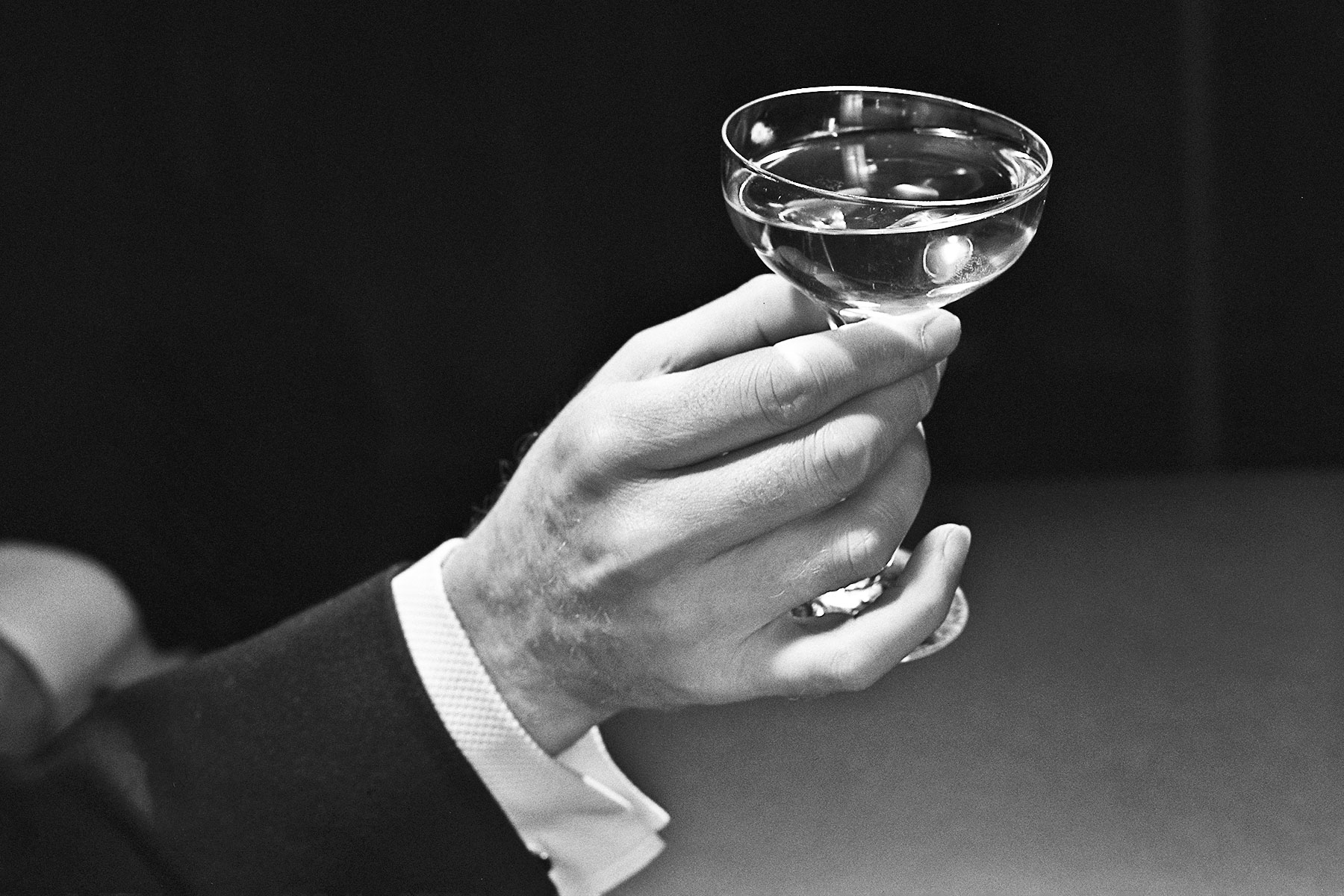
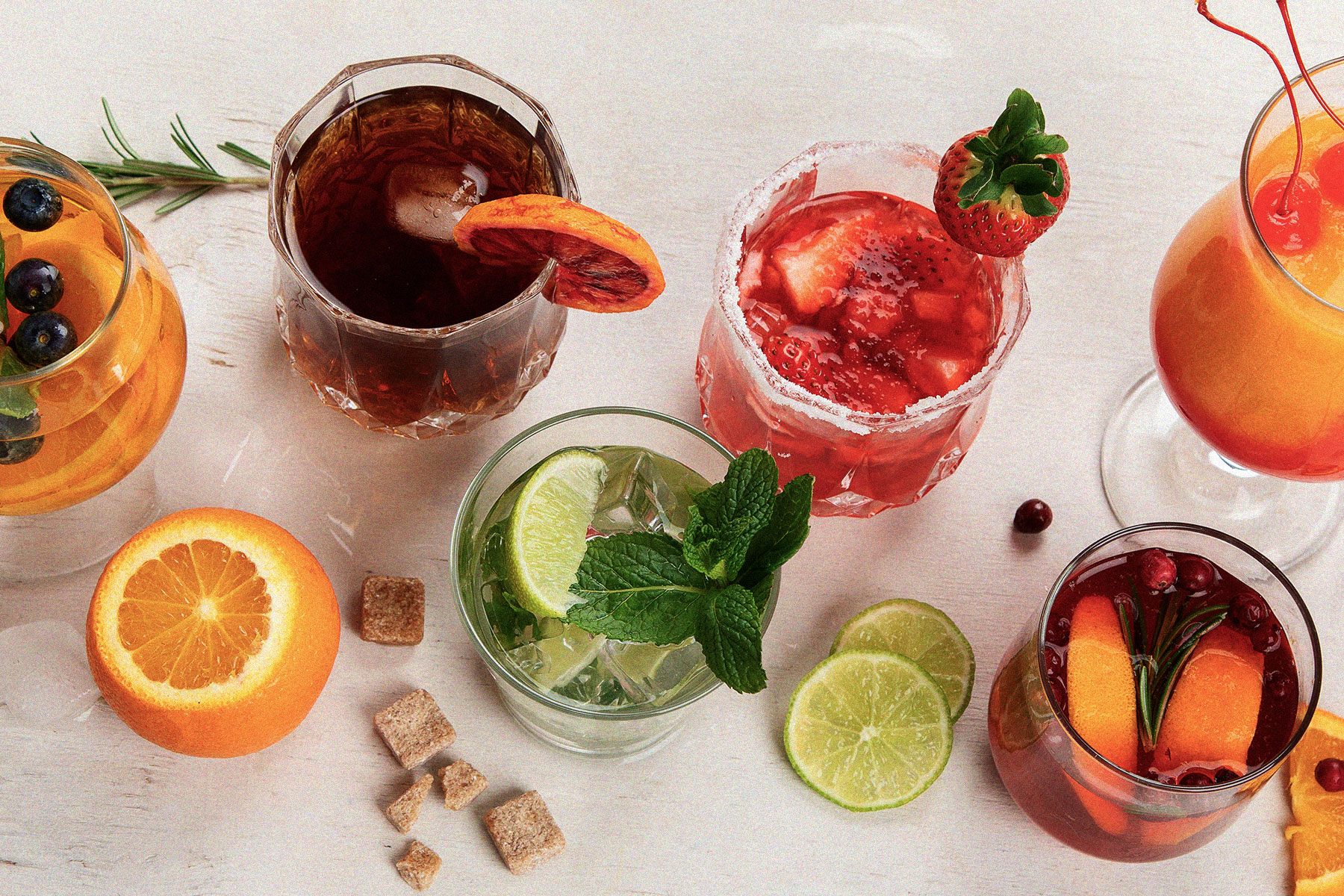
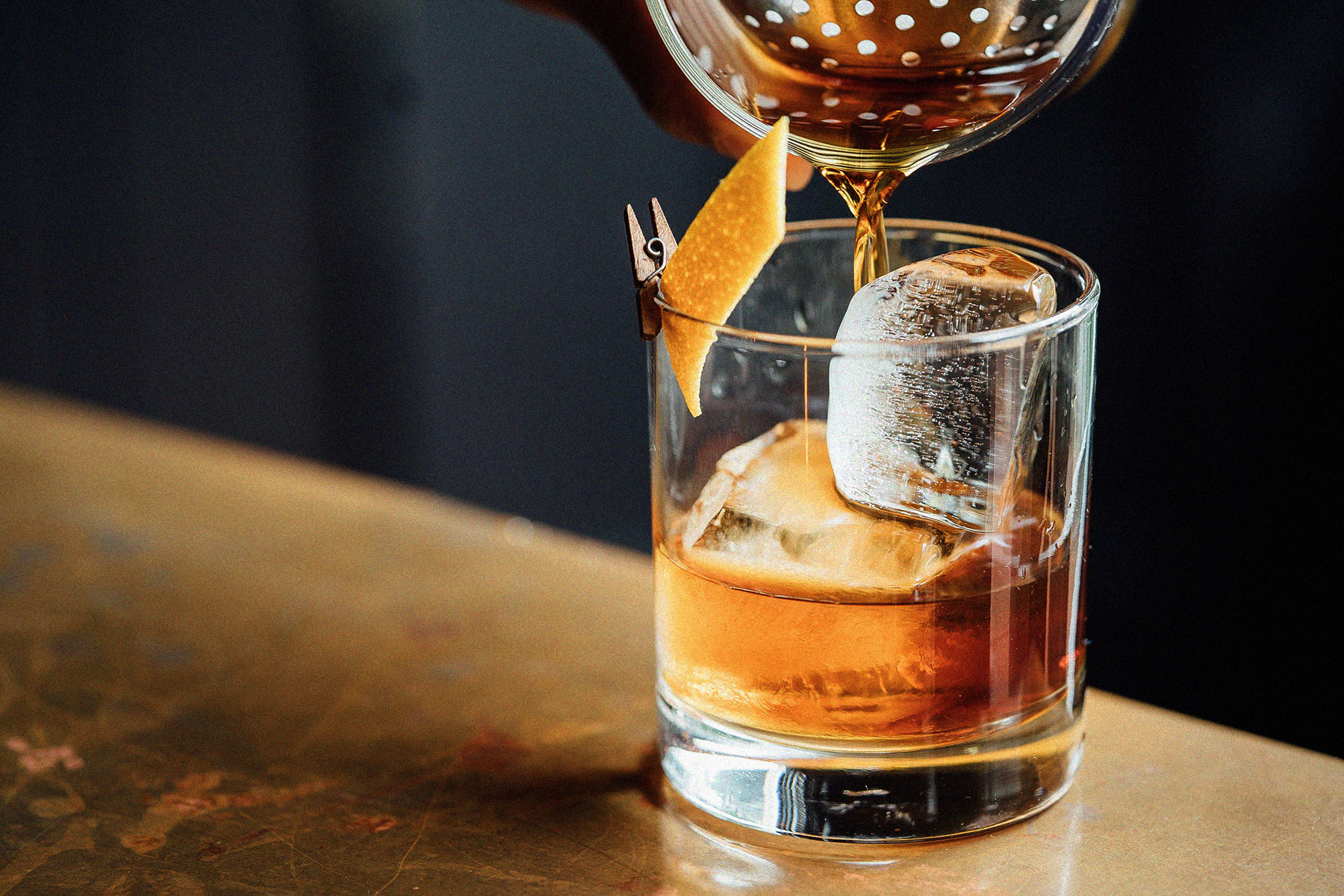
A cocktail is an alcoholic drink that combines one or more spirits with other ingredients, such as bitters, juices, syrups, or tonic water. Depending on the ingredients, the flavor profile of a cocktail can be sweet, sour, bitter, spicy, or even salty. There is a mind-boggling array of ingredient combinations and names, and the libations can be served over ice, at room temperature, or on fire. Concocting one can be as simple as blending gin and tonic water over ice and adding a wedge of lime, or it can be a splashier, more involved affair, such as the Long Island iced tea.
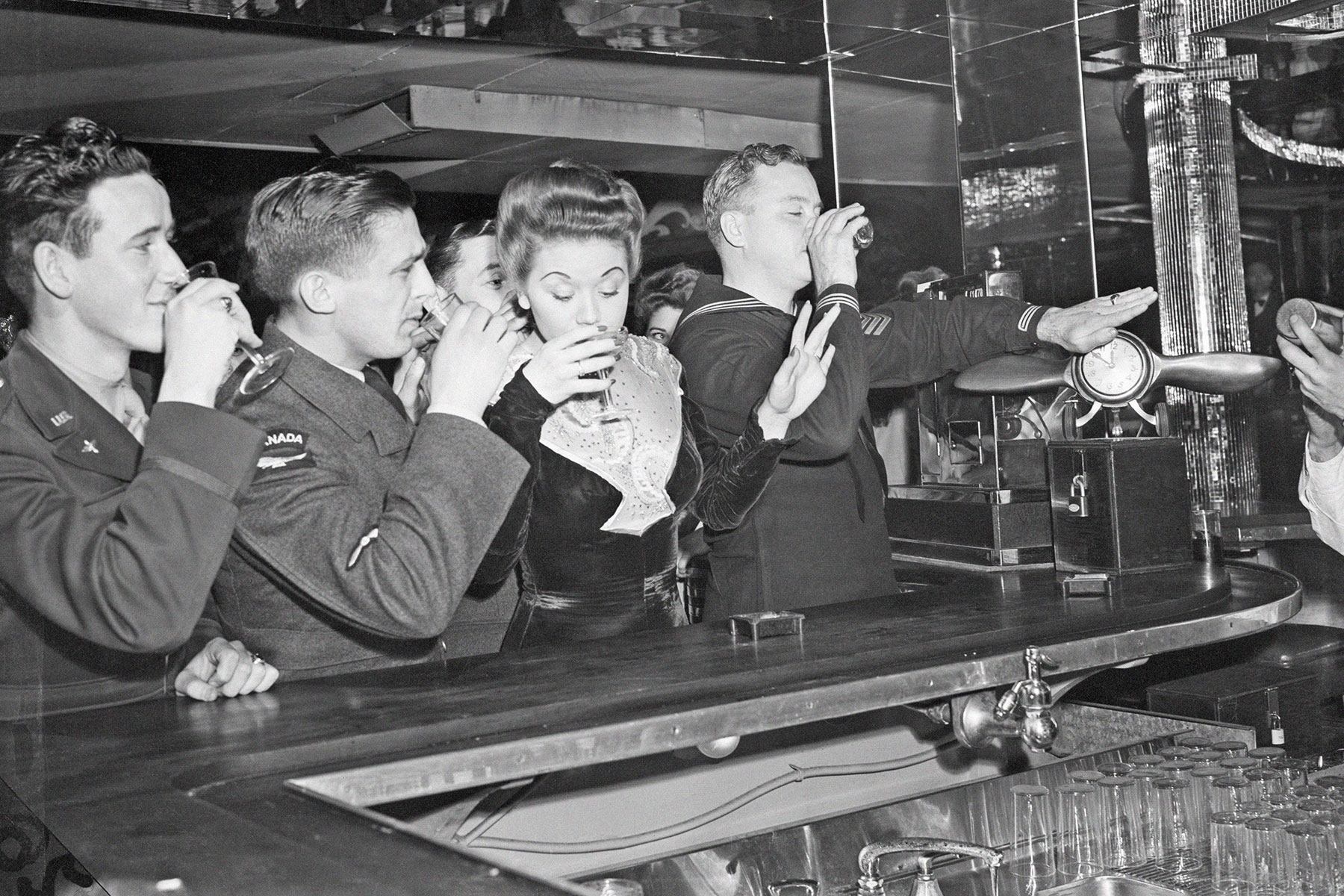
The creation of the cocktail was inspired by punches that combined spirits, fruit juices, and spices in large bowls. Historians suspect these punches originated in the early 17th century with British sailors, who would use local ingredients from India or Indonesia to create their own alcoholic beverages. While beer would spoil during a long voyage, the addition of sugar and citrus to spirits would help preserve the punch.

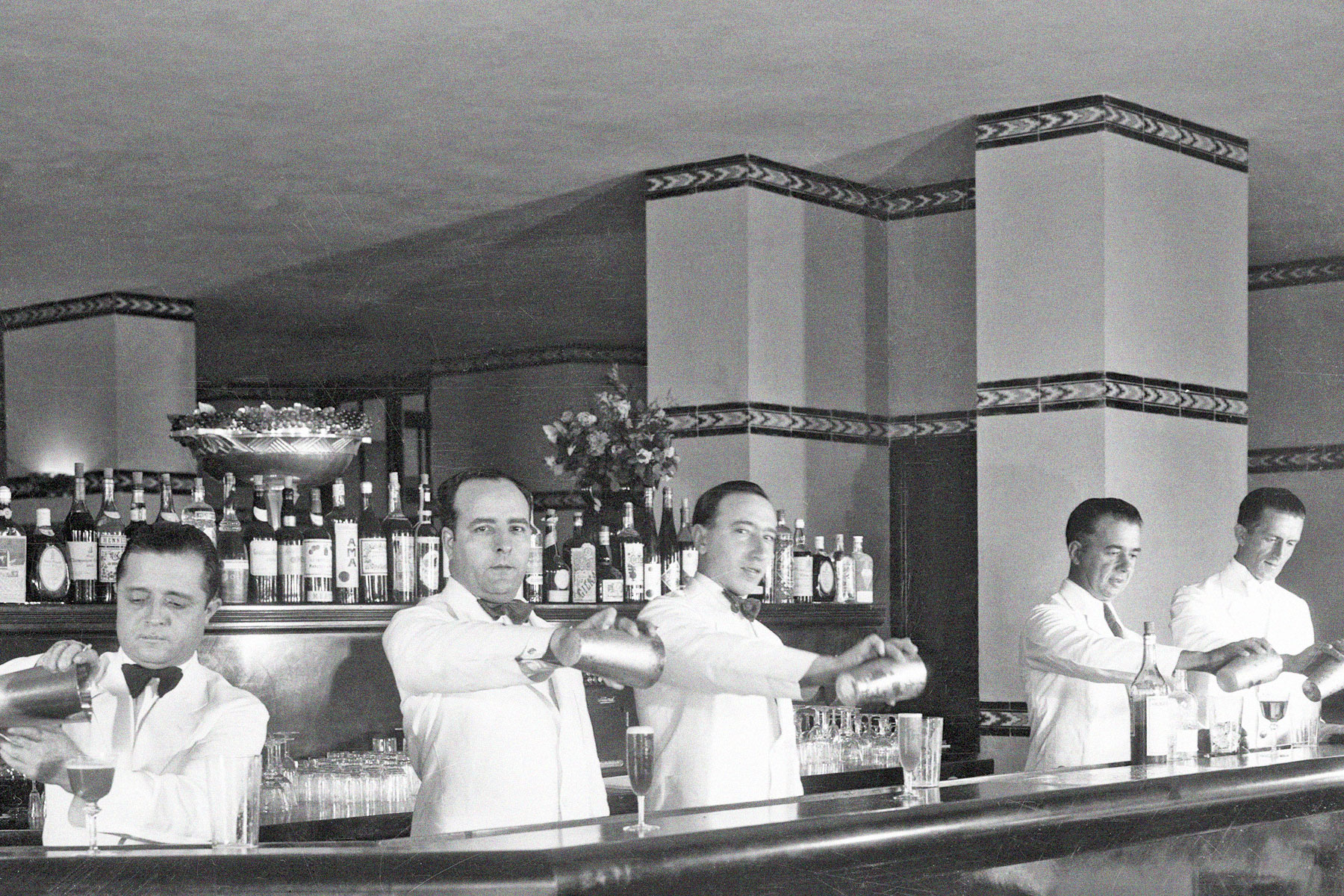
In a world once dominated by beer and wine, these diverse and flavorful punches were a novelty, and the trend took off. Mixed drinks began as a way to serve a crowd of sailors or aristocrats, and evolved into individual concoctions that played with different combinations of ingredients. Today, the cocktail’s nearly infinite varieties make it the chameleon of alcoholic beverages, limited only by imagination and the ingredients on hand. The art and science of drink-making continues to be driven by innovative mixologists who create new recipes and put their personal stamp on traditional drinks that date back centuries.

Photo credit: Bettmann via Getty Images

What Makes a Cocktail a Cocktail?

The word “cocktail” was first used to describe a mixed drink in 1803. It appeared in a U.S. newspaper called The Farmer’s Cabinet, though the article didn’t include a definition of what constituted such a drink. The earliest definition of “cock tail” appeared in the May 13, 1806 issue of The Balance and Columbian Repository, which offered this description: “a stimulating liquor, composed of spirits of any kind, sugar, water, and bitters.” The term gradually came to reference any kind of alcoholic mixed drink, and sometimes the word “cocktail” included a modifier — for example, “gin cocktail” — to specify a drink’s primary ingredient. That said, the mixing of ingredients traditionally associated with a cocktail predates the use of the word. In the 18th century, drinks combining a spirit, sweetener, water, and bitters were known to be imbibed, and bitters were often sipped for medicinal purposes.

Photo credit: H. Armstrong Roberts/ Retrofile via Getty Images

Let’s Talk About That Name, Though

The origin of the word “cocktail” is as muddled as a mojito. One possible explanation links the word for a mixed drink to a British reference about “cock-tailed” horses — that is, a horse whose tail has been docked or clipped to signify it was of mixed breed. Other theories include a mispronunciation of the French word for egg cup, “coquetier,” which was used as a drinking vessel by the New Orleans apothecary who created the famous Peychaud’s bitters. Some say the name comes from mixing the dregs of spirit barrels, known as “tailings,” and selling them at a low price. Yet another theory posits the name came from a horse breeder’s practice of inserting spices, specifically ginger, into the rear end of a horse in order to make the animal appear more energetic. However it came about, a cocktail by any other name would still taste delicious.

You may also like